
I don’t normally bother stopping at Information Centers, but Echo Canyon is a one of the most historically important locations in the westward expansion of the United States. It’s a natural pathway/pass located about half way between the grasslands of Wyoming and the Great Salt lake desert of Utah. This was a route used by (progressively) animal migration, Native Americans, the wagon trains, the Mormon pioneers of 1847, the stage coaches, the Pony Express, prospectors, the railroad (who still uses it today), the countries first transcontinental telegraph line, The Lincoln Highway and today Instate 80.


This is one of the nicer rest stops on I-80. The bathrooms were clean, and there was a nice but a bit steep up-hill walk to the monument that will get your blood pumping after a long drive, and teach you a bit of history.

What’s interesting to me is the condition of this sign about The Road to Zion (along side the building itself, bottom of the hill) — one of the historic to America trails that I’m increasingly interested in traveling along. To put this in some sort of context for folks who are unfamiliar with the church, The Church of Jesus Christ of Latter-day Saints, i.e., the Mormon Church — is a wide collection of independent church groups that trace their origins to a man called Joseph Smith in the late 1820’s. The nickname for the group is derived from their adherence to the Book of Mormon; Mormon being the name (I THINK) of the Latter-day Saint/narrator (??) of much of the text (I’m not Mormon nor have I any sort of expertise about the religion, so forgive any mistakes I’ve made or feel free to correct them in the comments). Anyway, the largest/richest segment of the church — and the part most politically recognized, is the one that owns the Tabernacle in Salt Lake City — and is also a politically powerful demographic (so that on numerous occasions Mormons have campaigned, albeit unsuccessfully, for the office of President of the United States — with Mitt Romney being the most recent). As such, they arranged (and rightly so) to have their migration trail included as one of the very first recognized trails of the National Historic Trails System… only to have the above sign placed at strategic locations all along said Mormon trail to Salt lake… only ALL of these signs have turned out to be highly NOT-archival (i.e., covered with a plastic coating that degrades rapidly in the elements); and all of these signs are at this point between difficult and impossible to read as result, let alone photograph; and every one of them says the same generic thing — none of the ones I’ve seen so far say anything specific about THAT locations’ specific importance to the trail… other than it’s part of it. What I don’t get, is why the church hasn’t offered to pay to have them all replaced with something better and more meaningful.

This is so far the ONLY sign I’ve seen offering up any discussion of Eisenhower’s involvement in the instate system of highways

It is also a favored spot for train enthusiasts,

as is shown by this video I found on YouTube:










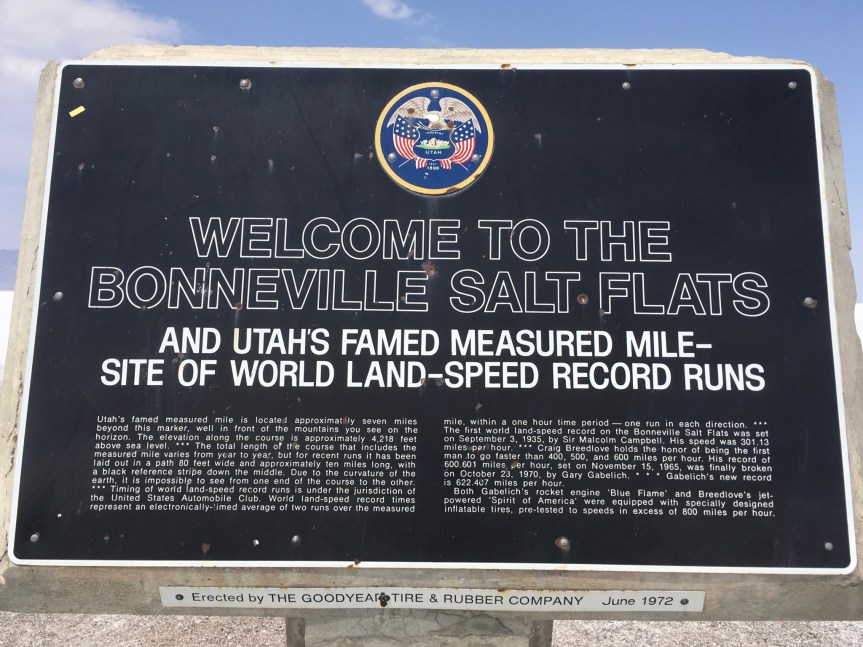


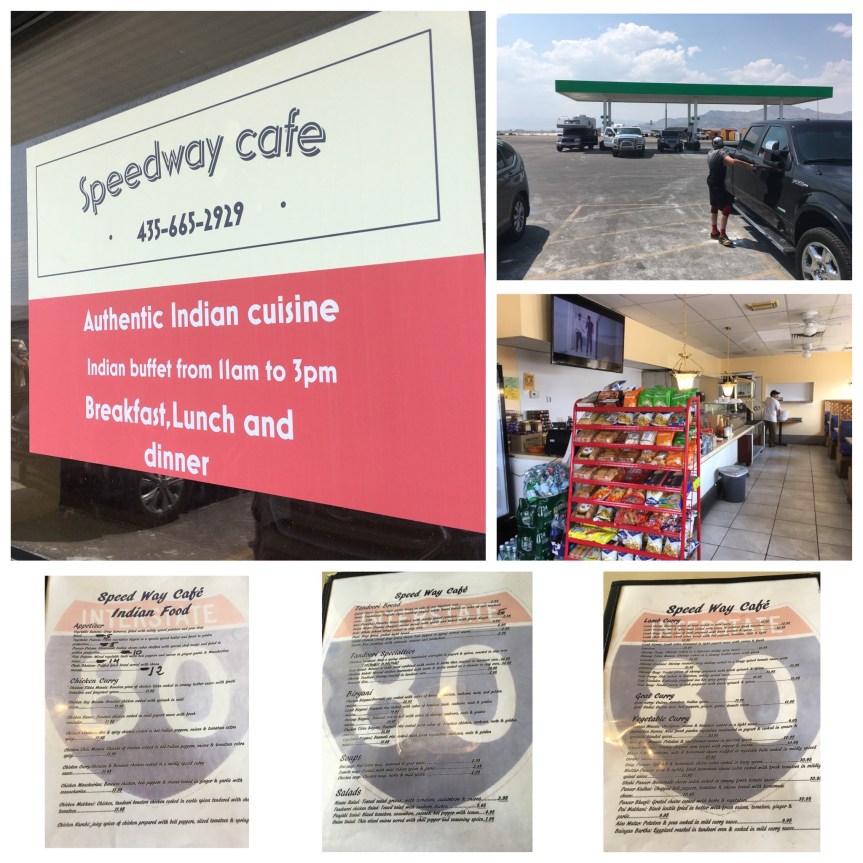


 When I got there I was told that there was actually a race going on, and it would cost $20 to go out on to the salt flats… I told her I actually had to get back to the gas station because I had ordered lunch… and could I just take photos for now of the entrance way, and then come back after I had eaten (at which point I would pay to enter the area). She said yes, and directed me where to park.


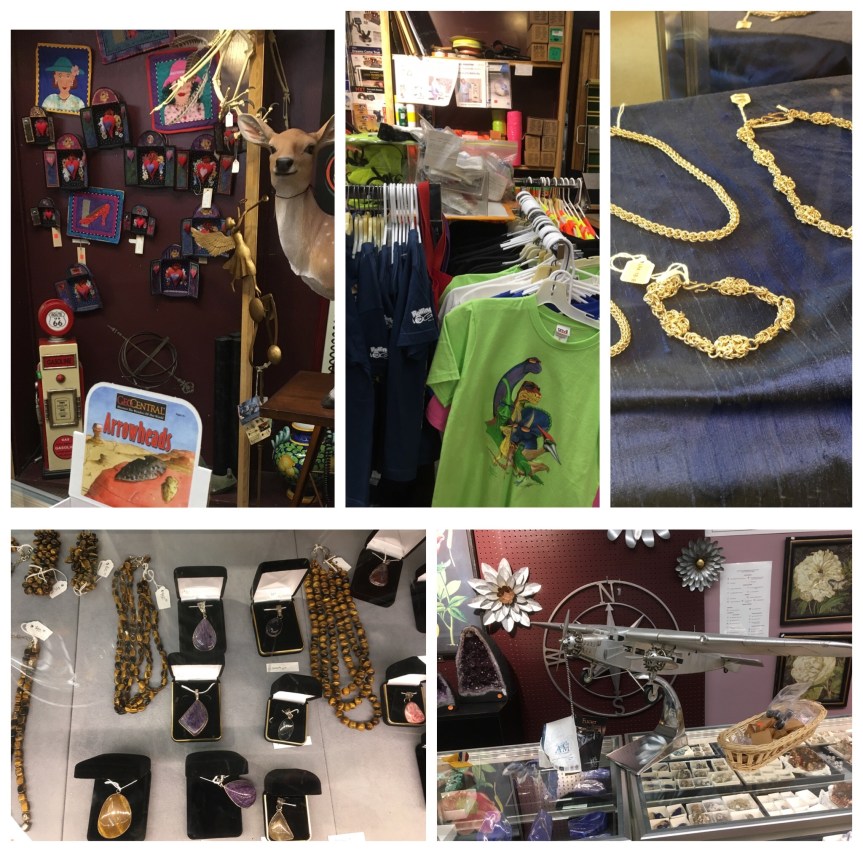

 I talked to the staff member and she told me that the store was owned by the local science teacher who was married to the local geologist and in addition to those jobs they had opened this store in town.
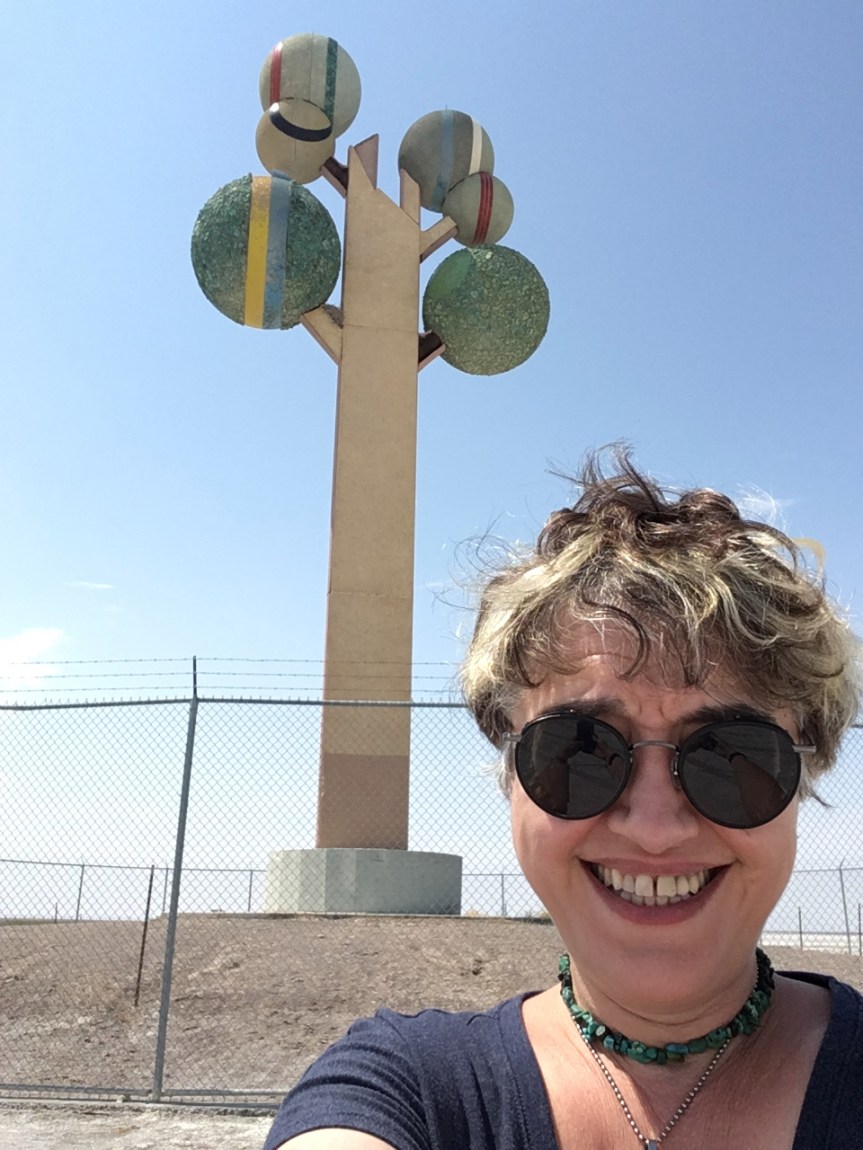
 I remember the first time I passed it was like a mirage, as you’re driving through a very large desolate desert area (the Great Salt Lake outside of Salt Lake City Utah) … the sort of place that must have terrified the first settlers in their covered wagons…
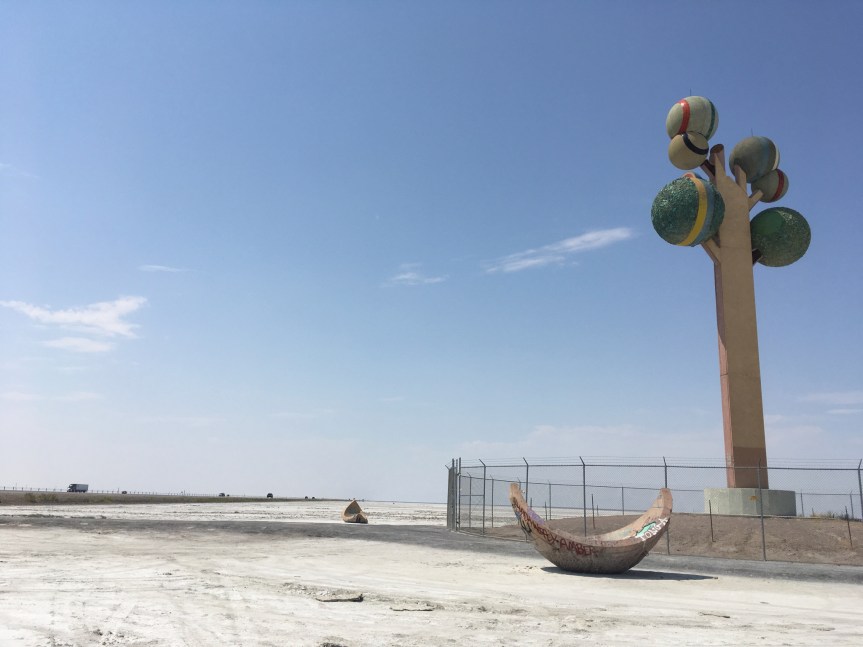

 “The tree’s six spheres are all coated with natural rock and minerals found within the state of Utah, and the pods below symbolize the changing of the seasons, when trees naturally transform themselves.” —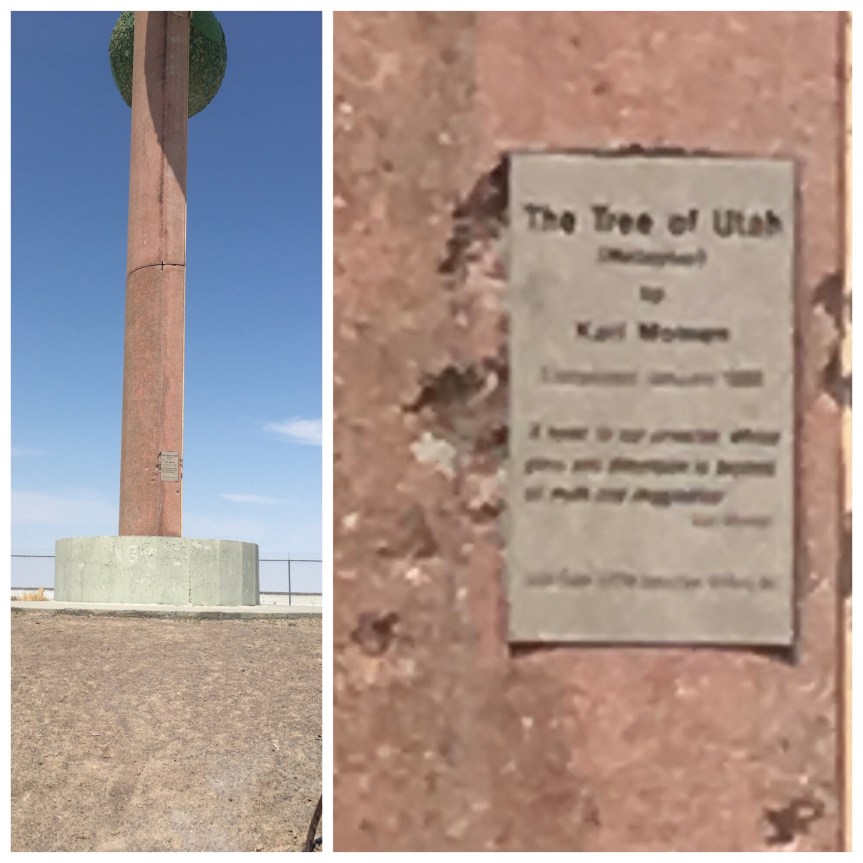


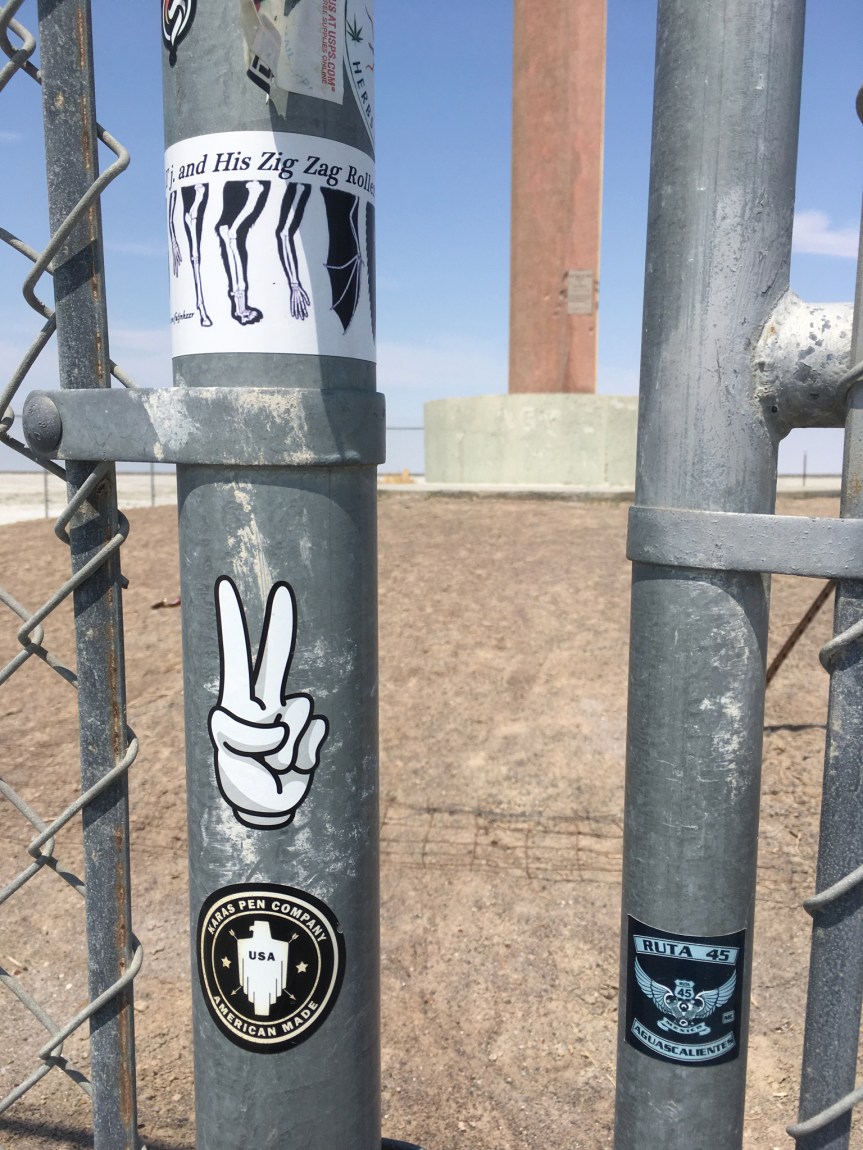

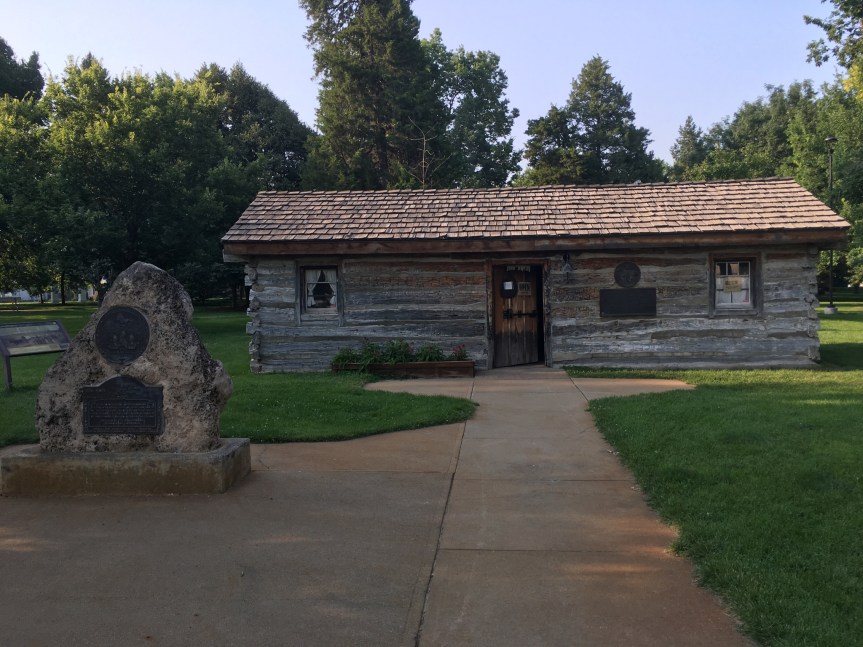


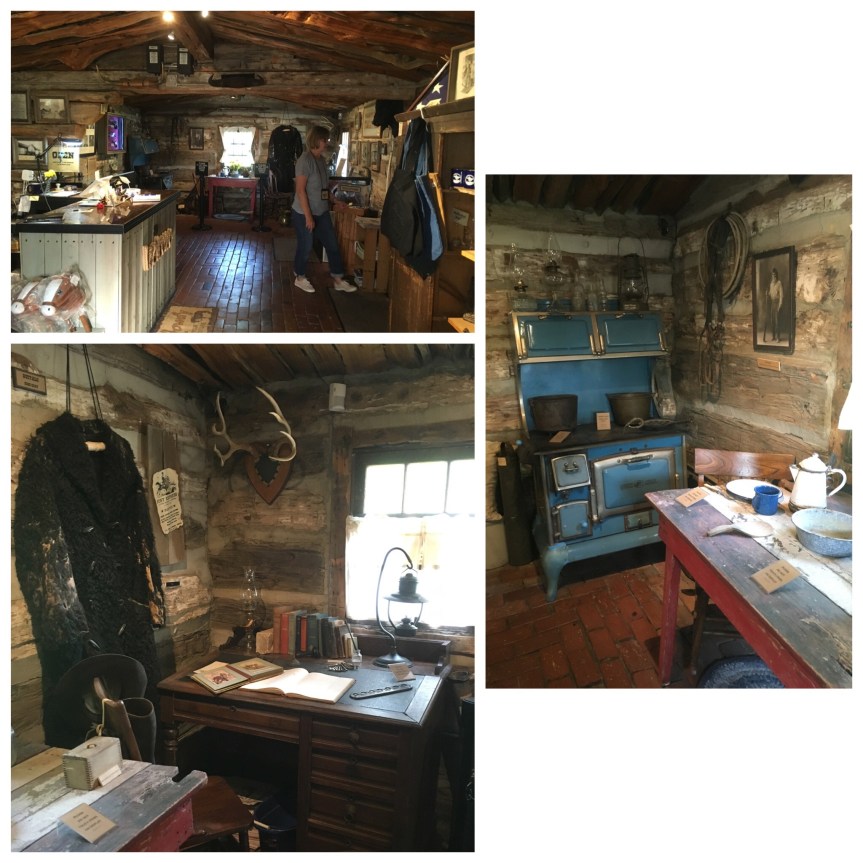
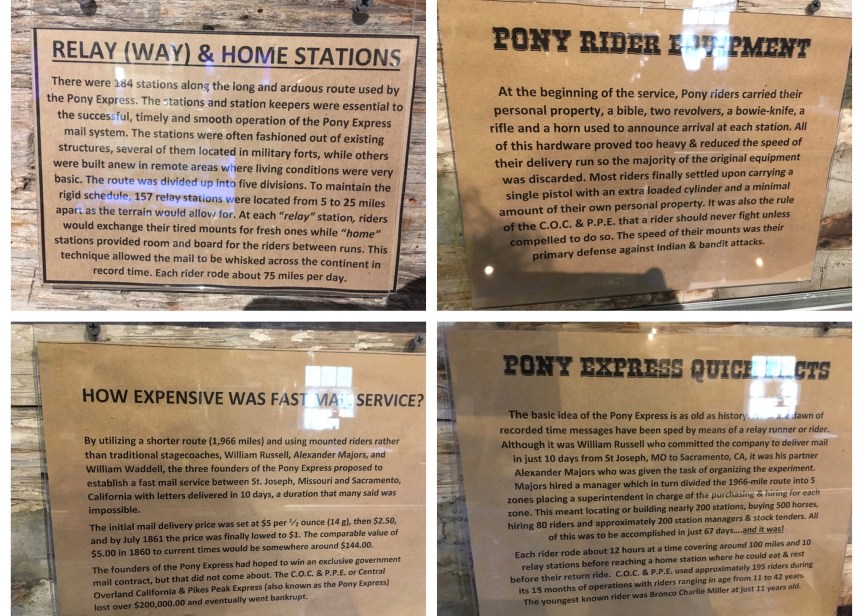


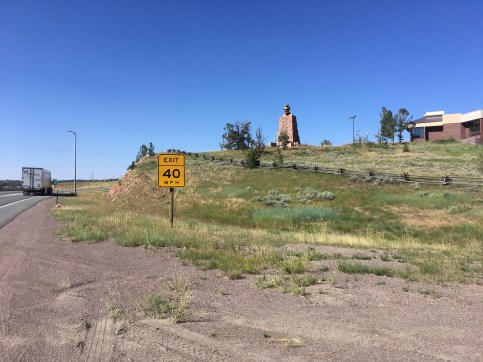
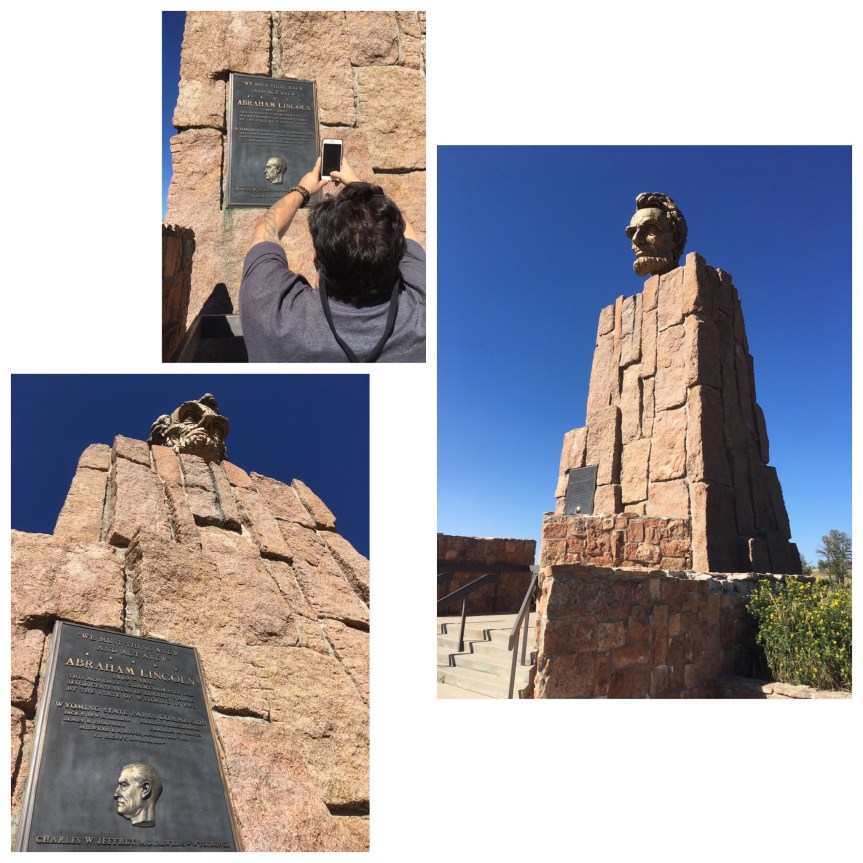 and a small museum devoted to the local attractions, historical and natural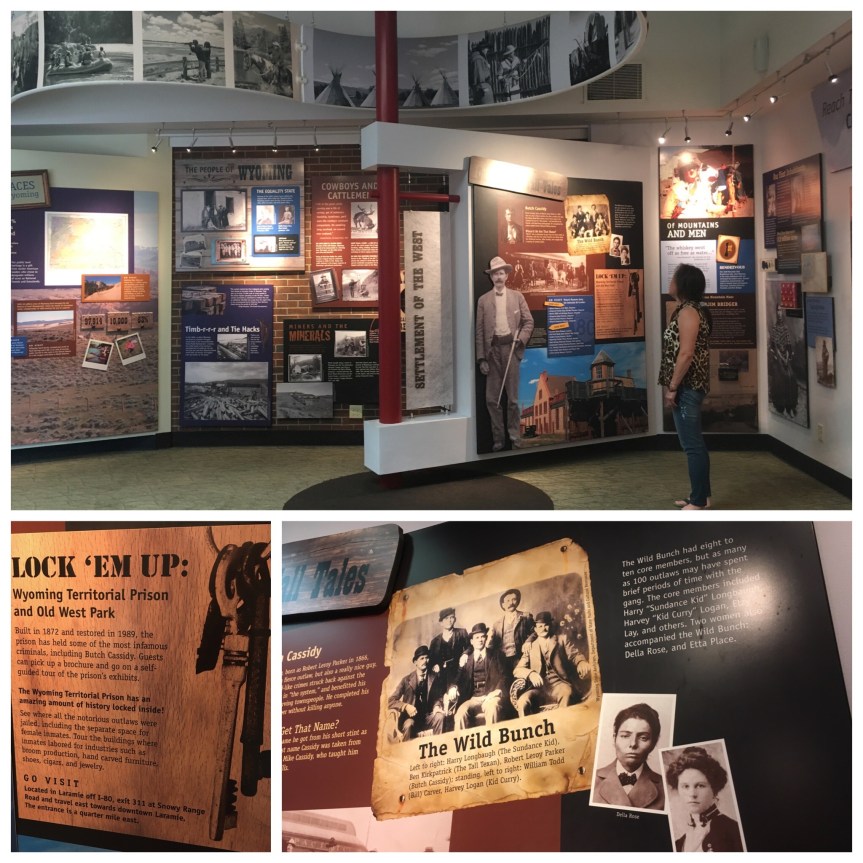




 Rebecca Radnor's Personal Blog: Consider yourselves warned!