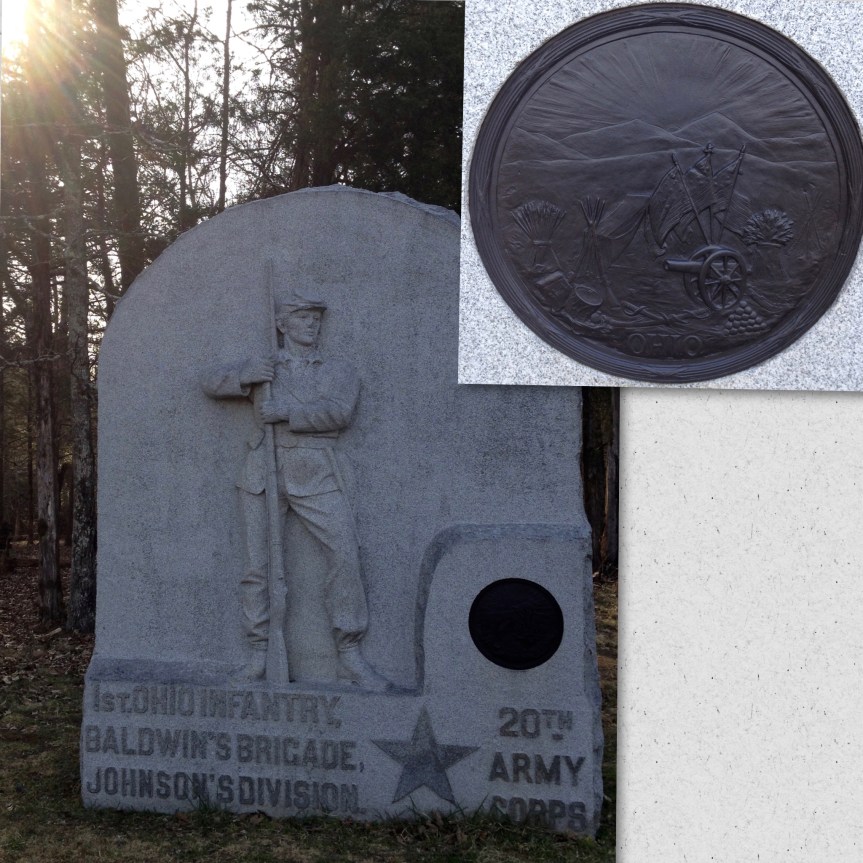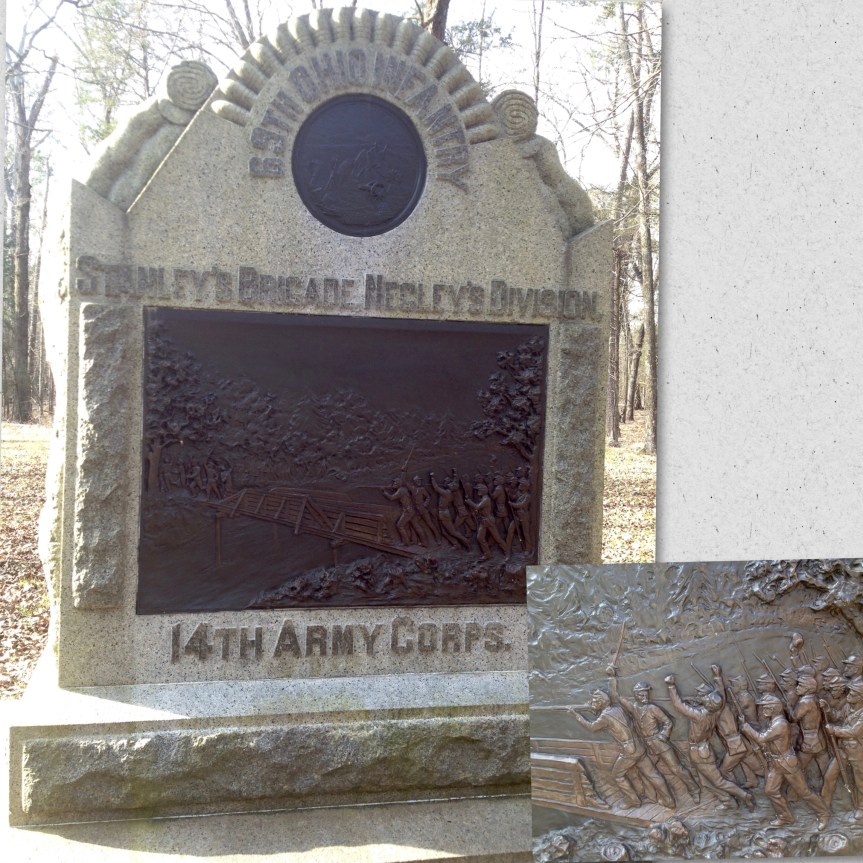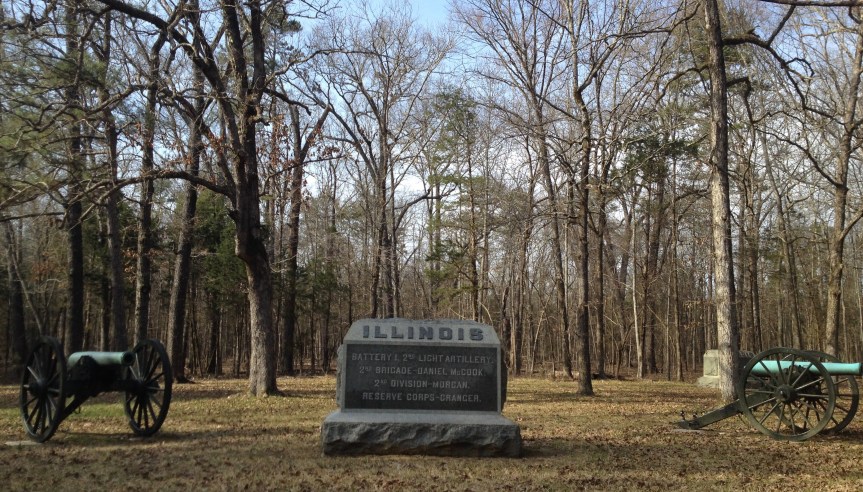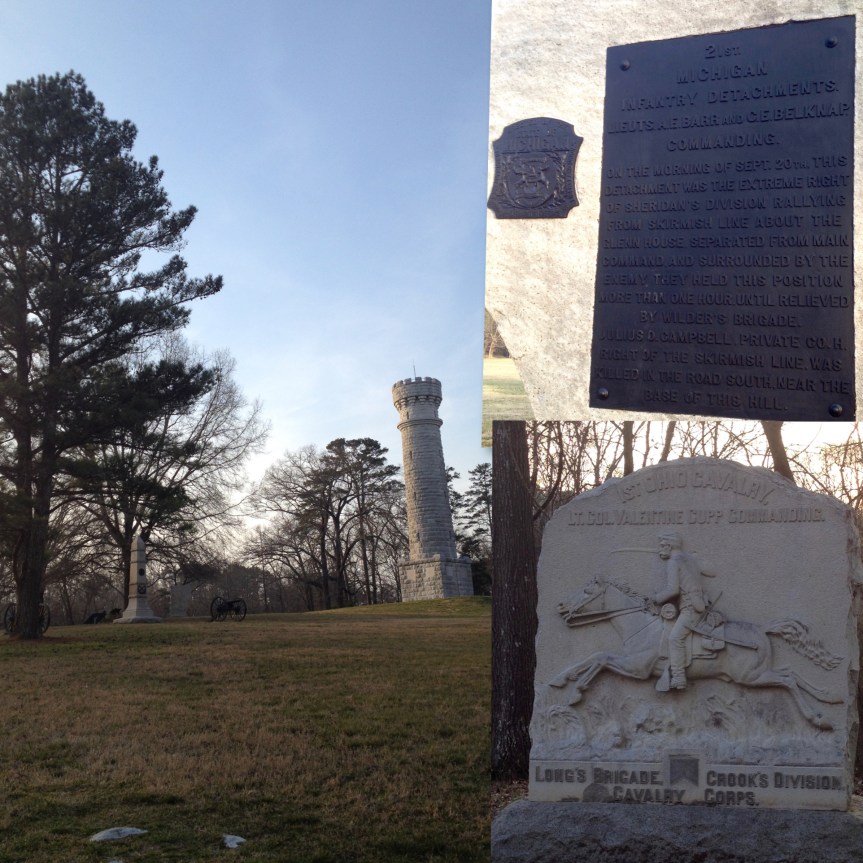

New Echota Historic Site & Museum; Calhoun, GA

A memorial to, and attempted recreation of, the former capitol of the Cherokee nation (before it was uprooted and moved west during by President Andrew Jackson‘s trail of tears — one of the more disturbing events in US history).

I have very mixed feelings about places like this. On one hand, its good to see the dirty linen being laid out in the open, an attempt at some sort of ‘mea culpa‘ by the people of Georgia (yes our forefathers were dirt bags) … on the other hand, it’s a state park, and this benefits the state of Georgia and helps bring tourist dollars to the area. Because, let’s be real, the state of Georgia, and the ‘founders’ of the town of Calhoun, GA are the same people who eradicated the town in the fist place (of course with the help of Jackson, everyone’s favorite president–NOT!) and while I’m glad they built/are building this place, and I doubt it’s much of a money maker… I question the motives that created it as much as I appreciate the results.What I would have liked to see but didn’t (which does not mean it isn’t happening, just that it wasn’t front and center in the museum) evidence that tribal elders are somehow involved in this site, etc.

However, that said…


IMG_7221


IMG_7612

The New Echota site and museum is open Thurs-Sat, the web site says it’s open on Wednesdays, but the one time I went there on that day it was closed. The visitor’s center includes a small museum, and a 17 minute movie (also visible here) but most of it is outdoors, where they have tried to recreate some of what was there, and you are left to walk it alone at your own pace (as such, it’s better for a nice weather excursion). It’s a Georgia State park and marks some of the land that was supposedly the location of the national Capitol of the Cherokee nation before they were forcibly removed during the Trail of Tears. Counter to the Hollywood stereotype, they lived in western type wood homes, grew crops, had their own written language developed by Sequoyah, their own newspaper which had a world wide distribution (according to the docent), and literacy within the nation actually was higher than among the surrounding white communities (but at the time that wasn’t all that hard to achieve). During my second visit there (when it was open) It was Spring Break for a lot of the schools around the country, so there were a lot of kids and parents even though it was mid week.

IMG_7611

Essentially its part of the land that they historically know the town was built on, and they’ve managed to rebuild a few of the building, etc., except for the home of the local missionary, which I believe may still be the original although massively refurbished. According to the docent the most accurate re-building is the printing house, because the soldiers who destroyed it had thrown all the metal print blocks out the windows before burning the place, and when archeologists did a dig they found them marking an almost perfect square on the ground. In addition the state’s historian had found that the missionary had sent in highly detailed requests for what had been needed to build the place, so that there are records of how many nails, sheets of wood, dimensions, etc.

IMG_7571

One of the really cool things about the place is there’s a website they’ve created with a narrated walking tour for almost every building on the site that you can load to your smartphone/tablet at the ‘entrance building’, and then pull up each description when you reach that particular building.

Craven’s House – National Park (GA & TN)

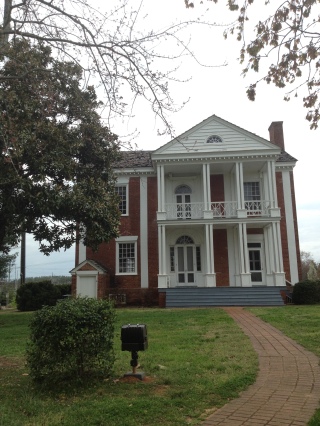
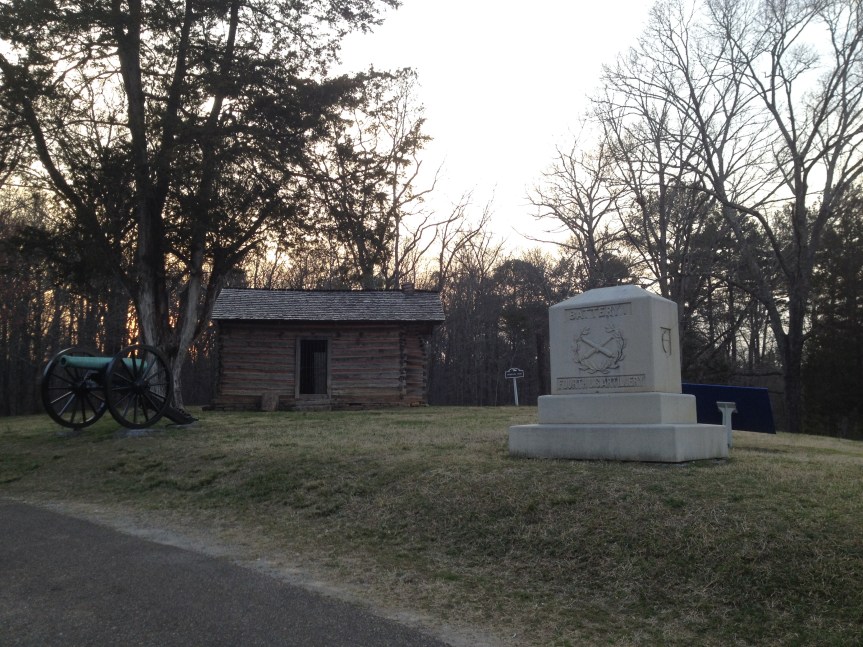
Beautiful historic spot that has the advantage of being free, while Point Park, at the top of the mountain requires that you pay a small fee (or have a National Park pass, which you should). This really is a beautiful and peaceful place, so I get why Craven built a house here. Now, however, it is part of the Chickamauga and Chattanooga National Military Park that includes Point Park, and is located about 3/4’s up the side of Lookout Mountain (Point Park is at the top).  Some fierce battles that ultimately destroyed the house (the signage includes photos taken after the battle of it blown to pieces) occurred here as the Union and Confederate soldiers fought for control of the strategically important mountain. Little placards are scattered all over the sight describing details of the battles, who did what and at what point in the battle, etc., and various states have set up monuments to their boys who died here. The original owner, one of the wealthiest men in Chattanooga later rebuilt it, and now the property is part of the park. It can be found down a turn off on the road between Ruby Falls and Point Park, and if you take the cable car instead of driving, you’ll miss it completely.

IMG_7471

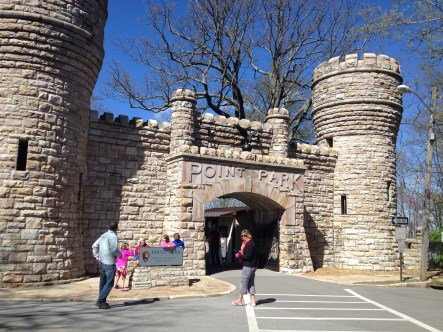
Point Park National Park: Lookout Mountain (GA & TN)

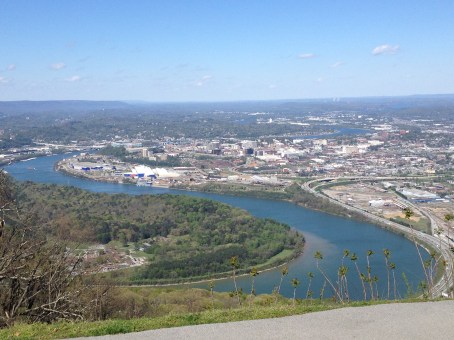
Worth it just for the amazing view of the Chattanooga basin below; and if you’re a historical buff, as I am, I would suggest that you first watch the ‘Battles of Chattanooga‘ show (about 30 minutes long) in the building across the street so that when you do look over the basin you can easily reimagine the battle in your head.

IMG_7422

This precipice is part of The Chickamauga and Chattanooga National Military Park, which memorializes the major Civil war battle that happened here. For a bunch of tactical reasons control of Chattanooga was pivotal to winning the Civil war, and stand off between confederate and Union troops went on for months.
IMG_7428

Standing on it, it’s military importance is kind of obvious but still, for those who aren’t up to date with the Civil war history, I would strongly suggest paying a few dollars more to see the show in the building across the street — they also have food and a load of stuff for sale that your kids will pester you to get for them.

You’d think the National Park’s Visitor Center would include something like that as part of the price (like they do in the visitor center adjoining the Chickamauga battlefield), but they don’t… so you’re going to have to shill out a few more bucks, but honestly… I think it’s worth it.  This trip was actually my 2nd viewing; the first time I saw it was during a road trip with a friend from Chicago to Orlando, about 10 years ago, and as we are both ‘readers’ we felt it was one of the highlights of the trip (stunningly so). How often can you say you saw a tourist attraction and had it stick in your mind?

IMG_7427
The city of Chattanooga (TINY!!!)

That said, if you DO go to the National Park’s tourist center as well, rather than just buying the ticket for this park I suggest paying $80 for the one year pass. Firstly, it’s good for four people and will get you into every National Park nation wide, and secondly, the republicans have been doing everything they can to defund and dismantle the national park system, so we have got to do our bit to help keep it alive for future generations. Since I was alone, I comped 4 people standing in line entry into the park.

IMG_7450
View of Tennessee, Georgia and Alabama — and me!

Chief Vann House; Dalton, GA

Highly educational restored home that will blow away historically inaccurate, Hollywood based, preconceived notions of who Native Americans were in the early 1800’s.

If you are in the area and have little hard knowledge regarding the original inhabitants of what is now the United States of America, than I strongly suggest a visit to this historic house if only because it may help to destroy some of your misconceptions regarding who the Cherokee were at the time of the trail of tears (1838-1839).

Most Westerners (and in this I include Americans and Europeans), based on what they have learned from Hollywood films, etc., seem to believe that all Native Americans were backward, or refusing to integrate into western society and that was the reason they were moved westward to what was called the “Indian Territories”, but this is woefully incorrect. In actuality, the reason the native inhabitants were removed had more to do the the recent discover of gold in their lands in 1829.  The historic location I visited today is the restored home of Chief Van, a Native American so rich that he owned at least 100 slaves, a bunch of paddle wheel river boats, many trading posts, etc.

IMG_7321  IMG_7304

He was one of the influential Native Americans of the time who were using the American Judicial system to fight for the rights of his people, and with varying degrees of success in that regard (think of this as the first time that America Judiciary and the southern states came into direct conflict with each other — a pattern later repeated with civil rights, abortion, and then gay rates, et al). In spite of all of his wealth, and power, he made the major tactical error of hiring a white overseer when it was illegal for an Indian to do so (the states had been passing laws restricting the rights of native Americans that were not all that dissimilar to the segregation laws after the civil law, or to what Hilter later did to the Jews in Germany) thereby giving the federal government cause to kick him out along with the rest of the Cherokee during the trail of tears (only he took all of his furniture, slaves, etc. with him and continued to be very rich).

IMG_7294

The house is SO fancy that it had a floating staircase and a fancy interior paint job with pigments most people of the day could never have afforded, and president Monroe had spent the night there when visiting the area.

IMG_7315

After I leaving the house I drove past the first swamp I saw in Georgia. According to the  docent at the Vann house, Spring Place which is the town where the house is located is the poorest part of the state, I guess this was the proof.


Roland Hayes Museum; Calhoun, GA

Local boy does good “museum” dedicated to a now mostly forgotten African American vocalist. Honestly, you’ll learn more about the man via Google than from this place. NOT worth the trip.

This place to be blunt about it pissed me off. I had seen pamphlets for it around town which looked professional and inviting, so even though I had initially gone to Calhoun with the intent of seeing New Echota only to find it closed (they’re only open Wed-Sat), I tried this place instead because of the misleading brochures. I found it to be a pathetically weak excuse for a museum.

Firstly, there is NO signage in front of the building telling you the Roland Hayes museum is in there (or if there is I couldn’t find it), rather you see a prominent sign for the Harris Arts Center in front of an historic looking hotel, located on the towns main street next door to the county government building, that seems to be recently, and (more importantly) expensively renovated. In retrospect, this fact betrayed what I believe to be the museums true purpose … which was NOT to honor Roland Hayes. After much confusion, and second guessing myself as to was I in the right place,  I went in.

Essentially, I found a mid sized room set off to the side of the front door, inside of which was mostly just some randomly placed pictures and documents on the walls of the room. The place was so haphazardly ‘hung’ that it took me a full 20 minutes to even figure out who the guy was (as a former art major and history major I was getting really pissed off, a five year old could have done a better job of organizing the place so that it told a story). Considering he was a recording artist whose work was now in the public domaine you would think they would at least have someplace where you could listen to his music —  you can on their web site — but NO. And when I say the ‘documentation’ was hung haphazardly, I mean it… they ACTUALLY buried the lead, to use a journalism term; at the far end of the room, and around a corner into a hallway that leads off to some meeting rooms (which don’t feel like they’re part of the museum, so that you get the sense you should not go there) I found a framed newspaper article about the man saying he was the top selling African American vocalist of his day — THAT should have been front and center, as it answers the all important question of, “as a total stranger whose never heard of the guy, why should I care?”

Afterwards, while searching the internet I found recordings of his in the public domain, were they available to hear at the museum? NO… I found a documentary shot in 1990, had they made a deal with the filmmaker to show it at the museum, of course not. I did however spot these things available for purchase on a display in the far corner of the museum store behind the other goods they were working hard to sell, which was mostly what I think may have been art made by locals… or it could have been from China, I didn’t look too closely.

To be perfectly honest, the more I looked at this excuse of a “museum” and compared it to the rest of the very large space in which it was placed — that was being actively used by a bunch of local (dressed to the hilt and bouffant haired) society women’ (not one of which was a person of color) on that Tuesday afternoon, I developed a theory as to why it was there at all. I think the town leaders wanted to convert an old hotel in the center of town into a ladies art center and, looking around for external grants, realized their town had a famous POC and they could get government and other funding for the building’s renovation if they simply devoted one room of that building to him —  I’m sure their grant proposal said something to the effect that the rest was intended to honor him by promoting the arts (and I’m sure they throw in just enough yearly events ‘in his memory’ to ensure that funding is not revoked). Did I mention there isn’t even an easily visible sign on the exterior of the building saying the museum is in there?  I honestly think more money was spent advertising the space via pamphlets than on actually creating something for people to see once they got there… because, and of course this is all my personal opinion, their real purpose was to renovate the building for the elites of the town and to draw in some tourism dollars to the city — hoping that the ‘hooked fish’ who have driven all this way, after having spent 10 minutes (maximum) walking around the room and finding little to see, will then explore the town a little and hopefully spend some money in the local economy.


Thoughts & Musings

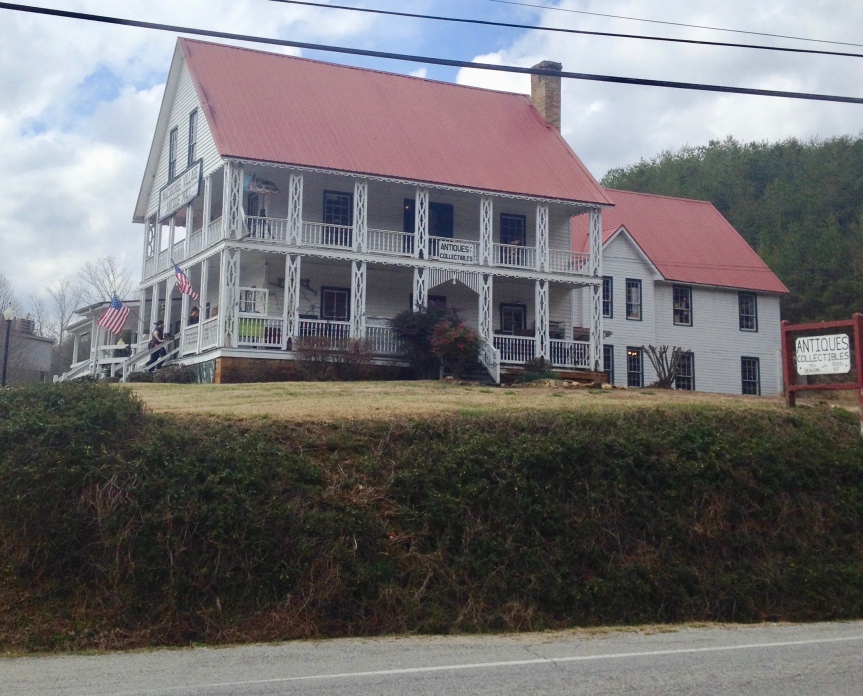
So day before yesterday I stopped in a MASSIVE antiques store in Helen, GA (it took up all 3 floors of a huge home, described as Antebellum, and a modern extension — off to the right). What made this stop interesting, beyond the sheer size of their collection, was that at the front counter they had a large number of DVD copies of Disney’s Song of the South.

fullsizeoutput_332a

When I said to the owner, a woman, that I didn’t think they HAD released it to DVD because of how controvertial it is, she told me that they imported them from the UK (where I guess they are released). Then I mentioned how Martin Luther King himself had asked Walt Disney (himself) NOT to make the film, and if he did to PLEASE NOT show “happy singing slaves” and how Disney had ignored him on all counts, but the movie had failed at the box office because by it’s release in 1946  it was already out of step with the times …

Then, an older guy, who had overheard my comments and who stated that he was a retired cop, started talking about how they’d changed the name of the road his police station in Texas was on to Martin Luther King Drive, and how offended the cops were that they’d done it… He went on to say that the racism (push back) had just escalated from there… it was a very “interesting” conversation that would never have happened in the North.

Now in retrospect I’m thinking on it and in fact the store had IMPORTED them, and it wasn’t just one copy, it was a lot of copies… i.e., Disney might not want to release them in the the U.S., but this store owner clearly believed that there was enough demand to support the extra cost.

Oh, and before I spotted the DvD I was bemused by a relatively large collection of Sambo dolls and figurines for sale — which is something else one sometimes sees sold in other countries but rarely in the US of A.

Nacoochee Mound & Sautee Nacoochee, GA

While the Indian mound is essentially a mildly offensive tourist trap, the tiny village of Sautee — just down the street — is in my opinion well worth the visit:

fullsizeoutput_332b

Located in Georgia, just outside of Helena, there is this Indian mound that really impressed me, at least until I learned from online sources (such as Atlas Obscura) that it had already been excavated, and then replaced (and is therefore a replica rather than the original) — a fact that none of the signs at the location tell you … nor one shared with me by locals.

The area in which it sits could best be described as countrified yuppie. It’s all gift shops and locally made artesian soaps cheeses and art etc., none of whom I suppose have any motivation to tell the truth about historical mound their shops are adjacent to. Not only did the locals not share the actual facts with me, I was, I would argue, actively misled by them. I can’t remember if it was the saleswoman at the racist antiques store across the street (which sold Sambo dolls and ‘Song of the South‘ DVD’s) or one of the other locals business people who initially assured me that the mound was an Indian burial mound that had been kept in “almost pristine condition” in large part because of the gazebo that a local farmer had opted to place on the top, that kept him and future farmers from leveling it.

In fact, if you look closely and read the sign, and then go to this site, you’ll discover that the sign is mostly a pack of lies!!!! There is no evidence that DeSoto visited, and archeologists are fairly certain that the mound predates any Cherokee habitation of the area.

Consider for instance “legend” that is associated to the mound:

“The legend of the Nacoochee Indian Mound states that Indian lovers from opposing tribes are buried within the mound.  Sautee, a brave of the Chicksaw Tribe, and Nacoochee, the daughter of a Cherokee Chief fell immediately and hopelessly in love when a Chicksaw band stopped in Cherokee territory at a designated resting place.  The two lovers met in the night and ran away to nearby Yonah Mountain to spend a few idyllic days together.  When they later confronted Nacoochee’s father with the idea of creating peace between the two nations, Chief Wahoo ordered Sautee thrown from the high cliffs of Yonah Mountain while Nacoochee was forced to watch.  Almost immediately, Nacoochee broke away from her father’s restraining hands and leaped from the cliff to join her lover.  At the foot of the cliff, the lovers dragged their broken bodies together and locked in a final embrace and died there.  The Chief, overcome with remorse realized the greatness of love and buried the lovers, still locked in death, near the banks of the Chattahoochee River as a burial mound.”
source: Southernhighroads.org

Seems a bit TOO Romeo and Juliet for my tastes… that and the fact that the mound is listed on the National registry of historical places may, in actuality, have more to do with it’s having been located on the estate of L.C. Hardman, a former Georgia Governor, than anything else. … none of which I learned till I started researching the location for this blog post.

I have to say that in retrospect, as someone who has deep personal connections to the Native American community, I felt a bit ‘ripped off’ by my experience at this location. On the upside, it’s not someplace I went out of my way to see, it just happened to be along the drive… but that said, some honesty would be appreciated! I suppose I shouldn’t have been surprised, considering this is located just outside of Helen, GA, (notable only for German architecture and restaurants — only one of which is any good — it is essentially a tourist trap aimed at anyone in search of a little touch of a Bavaria in the midst of the Appalachian foothills).

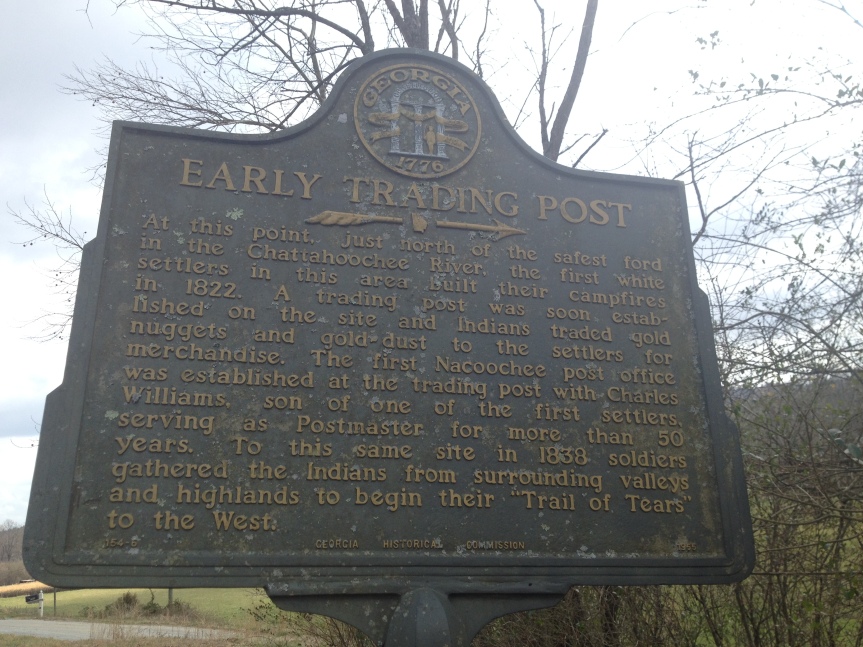
That said, directly adjacent is one of the actual gathering points (of which there were many) for the Trail of Tears… a forced relocation (that for those Native Americans not affluent enough to purchase transit devolved into an ultimately genocidal/ethnic cleansing) of the south eastern United states, during the administration of Andrew Jackson.

IMG_7191

 fullsizeoutput_332c

That said, I did find one major “FIND” a bit further down Unicoi turnpike… first you’ll find a very cute “village/crossroads” (not more than few stores) of Sautee Nacoochee which includes the ridiculously picturesque Old Sautee’s Store and market,

IMG_0002

walking distance from which you’ll find the Folk Pottery Museum of Northeast Georgia, a museum for the Traditional pottery of the area, built as an annex to a converted historic school, which now serves as the Sautee Nacoochee Center, a gallery and visual arts center for local artists (and a lot of what they have for sale — and at affordable prices considering it’s original art…  are, at least in my opinion, really good)

IMG_0001

Tunnel Hill Heritage Center and Historic Railroad Tunnel; Dalton, GA

The end point of a civil war raid you probably never heard of, that resulted in the first medals of honor ever given. Interesting, both from historical and engineering standpoints. I suggest that you hire the docent to take you around (optional).

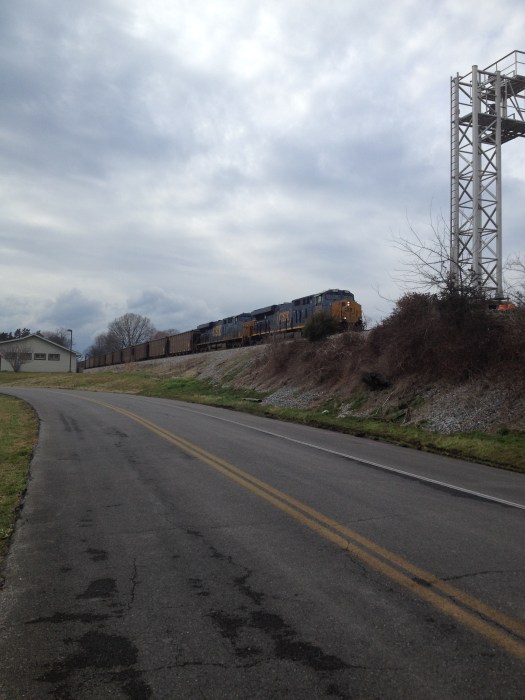
IMG_7070

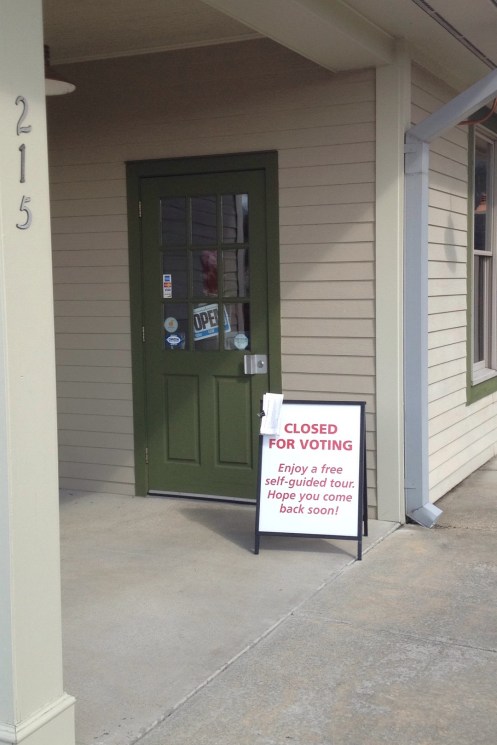
I actually came here twice, the first time I was amazed at how popular the attraction was, till I realized that I had timed my visit badly to coincide with the republican and democratic Georgia primaries, which I had not realized was happening that day, and had known that the visitor building doubles as a voting center (in cause you’re interested: for the democrats Hillary Clinton won 71.3% over Sanders’ 28.2%, while Donald Trump won 38.8% against 4 remaining challengers).

IMG_7068

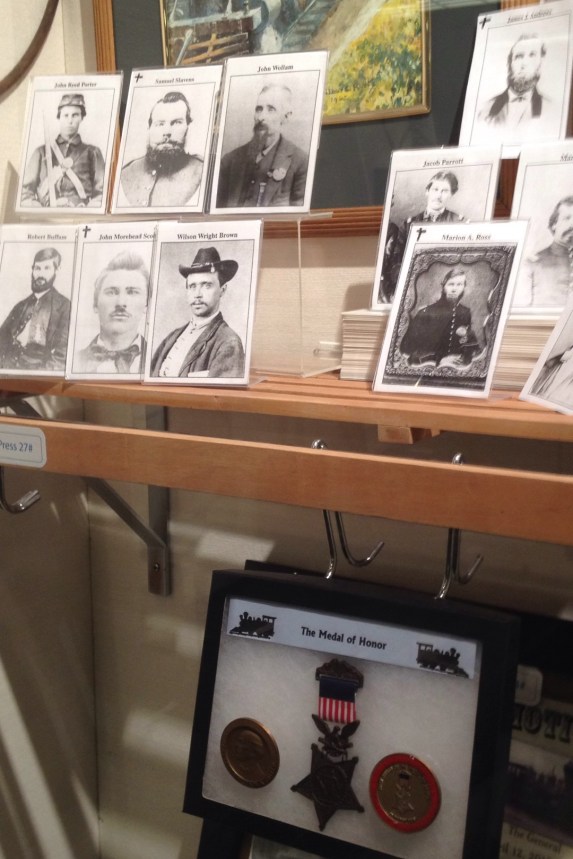
That said, inside the visitor building  is where you buy your tickets, and hire the docent to take your around to the tunnel and the house in a little golf cart (which is optional, but I strongly suggest it). The museum inside the center is small but interesting, so you can easily spend at about an hour in there — it is as much about trains, and life during the civil war as it is about the battles that took place here; it is, as the sign says, a “self-guided” museum, but there is a system in place where, assuming you’ve got a cell phone with you, you call a number and punch in codes for narrations of most of the more interesting exhibits. Right near the entrance you will also find a wall with a plethora of advertisers for other things to see in the area — I often find these to be far more useful than TripAdvisor or Yelp in trying to find things of interest — in part because they act as a little stack of reminders.

Because my first visit was thwarted by the elections I came back here a second time about a week or so later and paid my $10 for what turned out to be a very enthusiastic old guy (the docent) to take me around on a golf cart while explaining it all to me. First he drove through the now retired train tunnel … it’s about a 1/4 of a mile long from end to end, and is maybe 1/3 of a mile trek away from the parking lot…  and along the way he explained all about how it was built, in great detail. It’s actually kind of cool looking in there, and his explanation of how it was built, back before they had the tools of today, was very interesting.

Of note, it was on the hill above the tunnel that the battle of Tunnel Hill took place, and I was told that there’s a yearly reenactment of the battle done every September, which hopefully I’ll be able to see at some future point. (Part of my reason for being in town was I have an old college friend — also a travel blogger —  who lives in Dalton, and it’s my intention to spend more time here… as I am considering it as a place to retire to.)

IMG_7065

Then he described the Union initiated civil war campaign the tunnel is famous for; it involved the federalists stealing a train from the confederates, intending do as much damage as possible to the militarily strategic rail line on the trip back north to Chattanooga, with the southerners in hot pursuit. Ultimately, the campaign was a bust (for the Union soldiers, i.e., they got caught) but resulted in the first Medals of Honor ever given (which is also why there is a museum dedicated to that medal located in nearby Chattanooga).

IMG_7086

Afterwards, he took me to the adjacent Clisby Austin House (VIDEO!!), which is located just up the hill from the tunnel. The house had been owned by Reverend Clisby Austin a baptist minister of the nearby church, farmer and owner of the small store he next to his house, a nearby building that served as a hotel for train passengers, and apparently also helped build the nearby brick church. According to my docent there were rumors that he was also a spy for the Union, because he was very public about being against the south’s secession. What is certain is that he observed part of what became known as the “Great Locomotive Chase.”

Later, during the Battle of Chickamauga, the house was used as a hospital. During that battle, General John Hood, considered by many as one of the best commanders of divisions and brigades the Confederacy had, was injured and his leg had to be amputated. (As a side note: After leaving Georgia I read the historical novel, “Killer Angels, by Michael Shaara, about the battle of Gettysburg — which won the Pulitzer Prize, and in it he makes a major point of describing how a man can be talented at certain leadership jobs in a military, but an absolute disaster at other ones, and you never knew till they were actually in that position who would be good at what, a compelling truth that made me again think of John Hood, so I felt I had to add it here.) One of the interesting factoids is that they cut his leg off near where he fell, and when they moved him here to the hospital/house for rehabilitation they brought the leg along, so that should he die, they could bury him with the leg.  However, he didn’t die, so while the leg is buried here the rest of him is laid to rest in Metairie Cemetery in New Orleans, Louisiana (also on the National Register of Historic Places).

Then, during what I’m guessing was the second of the Battles of Dalton (there were three, all with the same name), the home served as temporary headquarters for General Sherman (Union) who supposedly stayed there for three nights while planning his Atlanta Campaign.

IMG_7067

So all sorts of good stories are to be had regarding the house, none of which you’ll learn if you don’t hire the docent. (Note: Unfortunately, they don’t let you take photos inside the tunnel or the house unless you pay for the right. Of course, IF you go though the tunnel surreptitiously, sans a docent, you might be able to get away with it, but I’m not suggesting that… no of course not) 


Chickamauga & Chattanooga National Military Park (TN & GA)

This was the first military park formed in the US. It memorializes the Civil War battle fought Sept. 18-20, 1863. So many bullets flew within these woods during this battle that the surrounding trees because valueless for milling, due to all the bullets embedded within them. If you have any interest in Civil war battles, check out this highly documented park. — Don’t forget to use your National Parks pass.

img_7123

I strongly suggest that you reserve this park for a nice day when you have a few hours to spend; stop first in the visitor center. There is a 24min documentary reenacting the battle. Watch this first, and then tour the battlefield.  Also, in the gift store — assuming your car has a CD player you can purchase a guided tour of the park CD for $10. On various signs around the park you will also find cell phone accessible annotations, but those are far fewer, and interestingly do not duplicate the information available on the CD.

img_7126

img_7127

img_7141

This is completely a aside, but I assume (wrongly of course) when I’m in a historic national park that the other people around share my interest in history… at this location  The guy parked next to me was driving a yellow Jeep by the name of the Rubicon, and I told him I loved the name of his Jeep because of its historical nature.

So he said, ‘it is named after a river in California’ and I responded “I think it’s more likely that that river was named after the Rubicon ‘river’ which marks the northern border of Rome which Cesar crossed with his troops, essentially declaring war on Rome itself; this is why the term ‘crossing his Rubicon’ now means passing your point of no return”

He looked a little embarrassed and said, he had no idea that was the source but he probably agreed that that’s why they named the river in California Rubicon … and might be the also named the Jeep that…

That said, scattered all throughout the park are all sorts of beautiful memorials both to the fallen, and to particular maneuvers that occurred in that location.


img_7138

img_6594img_6595

img_6596

As I look at these things I imagine the families of the various regiments and corps, fundraising and organizing in order to pay for these things to be built to the fallen.

img_7108

img_7105

And then with signs like this one (above), you have got to wonder, did they bring back soldiers to walk the fields and try to come to a consensus of what events happened where?

img_6597

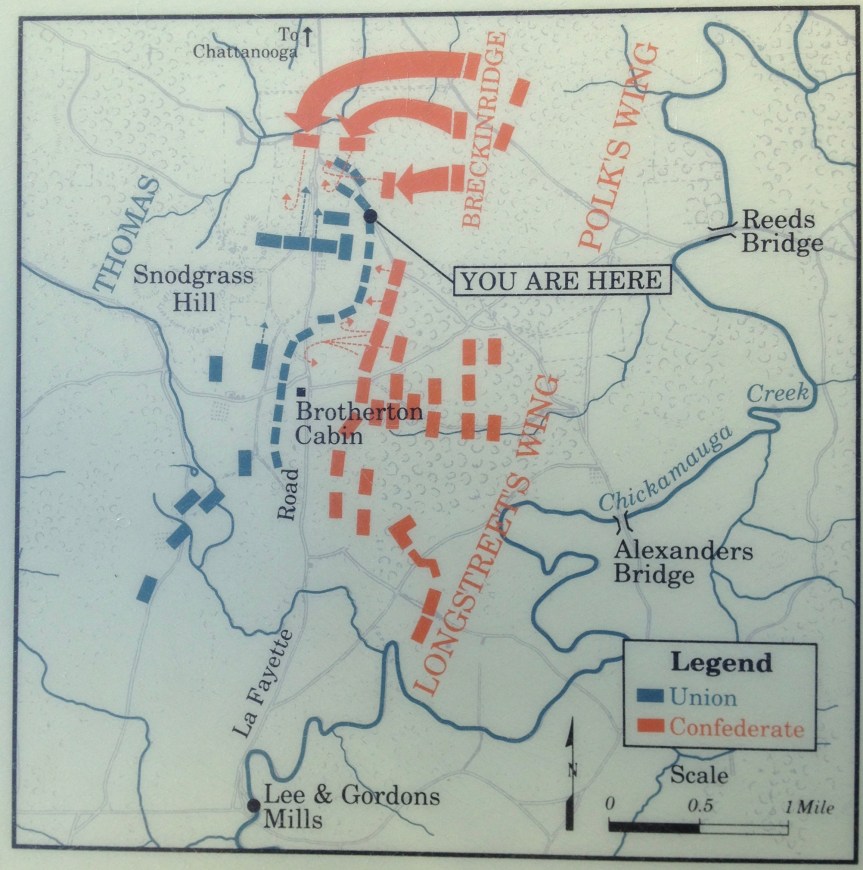
This, The Brotherton Family Farm (above) is where miscommunication among the Union generals resulted in a half-mile break in their lines allowing the Confederates to break through.

img_6598

This is Wilders Tower (above), it marks the site where a small group of Union soldiers held back the Confederates long enough to allow the other Union soldiers to retreat to Chattanooga. They were able to do so in part because they had a new technology of repeating gun The sound of which confused the Confederates into thinking that there was a much larger group of Union soldiers here then were actually present. (Also let’s hear it for national park toilets that are out in the middle of nowhere! I had been holding it in for the last hour) 

img_7158

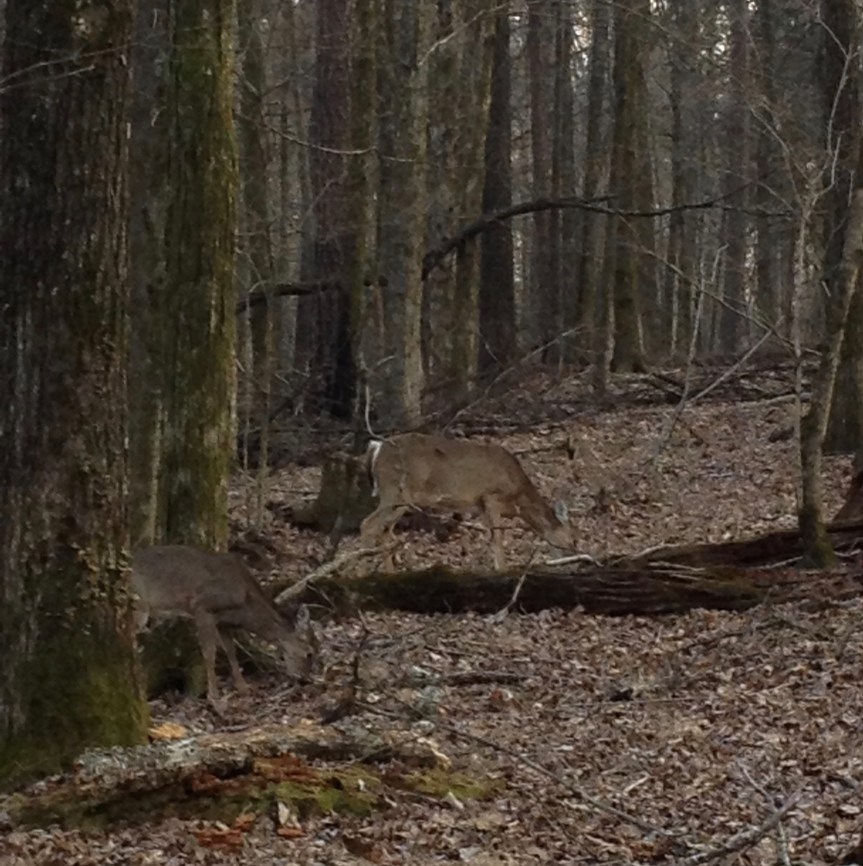
And here is a picture I shot in haste as a group of about 15 baby deer surrounded my car!! 


img_7159

img_7160
Snoodgrass Hill

The sun was now setting, which I had been warned is when the park closes, so I headed home.


Georgia Museum of Agriculture and Historic Village; Tifton, GA

Worth a full day stop in Tifton, Georgia (whose only other advantage is affordable hotels), when driving via Interstate 75 to or from Florida. I dedicated four hours to it, and didn’t come close to seeing it all.

I found a very good 15min film on Youtube about the how the museum is integrated with the Georgia University of agriculture, and supported by the state. It also includes interviews with the various docents and the crafts that they teach at the site.

While there is an indoor museum of agriculture at the back, the real draw here, which should enthrall kids and parents alike, is the historic village; it is probably the most complete example of what I like to call living museums that I’ve seen so far, complete with docents giving demonstrations.

When I first arrived at the attraction I was a little confused. There are essentially two entrances, the Georgia Museum of Agriculture, which is visible from Interstate 75, and the country store. When driving there, you first pass the country store (which seems to just be a store with a normal sized parking lot) and then there’s a driveway that seems to be beckoning you towards the Georgia Museum where there is a massive parking lot. So I drove to the Museum, parked, walked in, and was told by two historically garbed elderly women sitting at the entrance table there (knitting, no really, knitting), that in fact I was supposed to go to the country store first.

The Georgia Museum of Agriculture and Historic Village is actually a very good example of this “living museums” trend: they have brought in different buildings, historic ones from around the area and created a town of 1800s technology. To enter the town you ride a real steam locomotive train (the day I went the “conductor” looked to be about 8 years old),

and then are let off at the train depot (fully recreated) and left there to explore the surrounding homes, farms (with animals and fields), and often elderly docents in historic costumes/garb, who will walk you through the homes and explain whose home it was, where it was moved from, aspects of the histories of the families that owned the home, and how they ‘functioned’ with the 1800’s technology.

The old school (the original 1895 building)


There is also a working wood-mill, and a working gristmill, etc., where again docents will talk about the history of the building, and do demonstrations of the function the building fulfilled, usually allowing young kids to be involved in the safest jobs.

In the Mill, the docent also pointed out to us a board in the building where locals had sketched outlines of their most recent catches, comparing sizes, listing dates, etc.

IMG_6969

Then there was also a downtown area of the village where there were stables, complete with the local masonic lodge (with all its secrets revealed, and explained)

and a doctor’s office, with all the doctor’s tools of the day:

They even had the historic home of the riches man in town, complete with a lot of the family antiques — this home is locked up, and wait outside on the porch for the docent to bring you in for a tour.

I was there during an off day, but still about 1/5 of the buildings had docents in them. Apparently if you come during their scheduled activity days, weekends, etc., all the building will have docents who are either explaining, or giving trade and cooking demonstrations of lost skills.