Malahat, B.C. (Scenic spots along Highway 1)

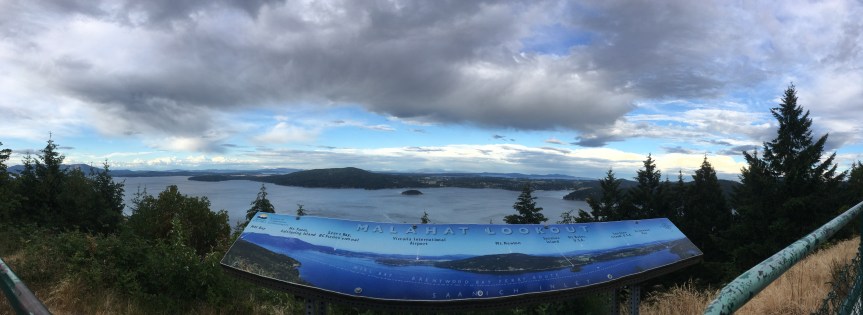
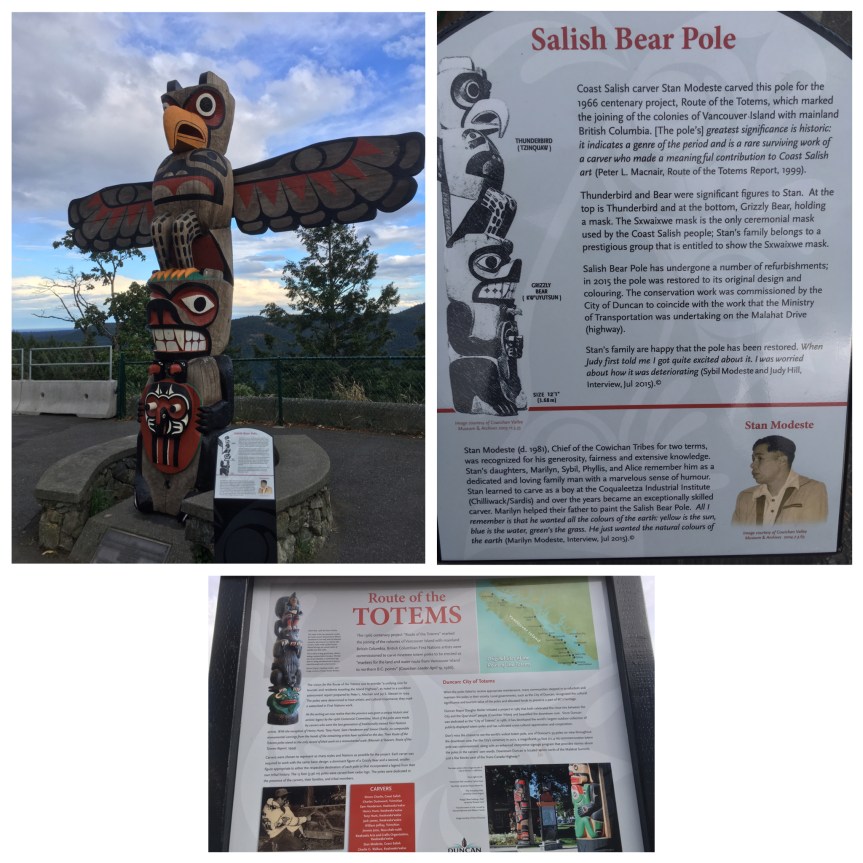
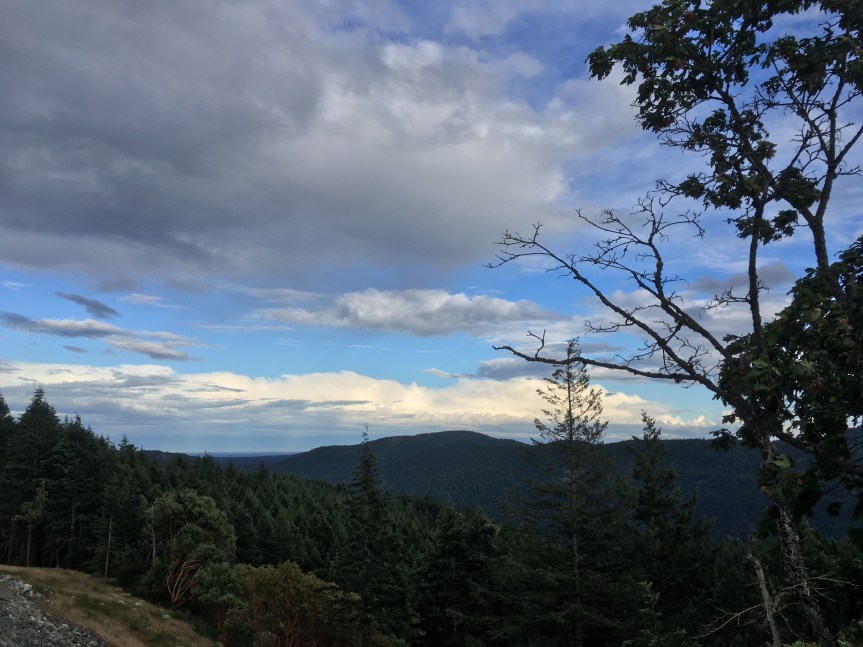
These are a collection of scenic turnoffs located on the TransCanadian Highway (#1) that are only accessible when traveling northbound from Victoria

IMG_1320

IMG_2729

I didn’t find these on any website, nor did my friend Louise, who is a local tell me about them (and we had driven right by them). Normally the traffic past them is fast, and because its a winding mountain road it’s best to keep your eyes focused on the task at hand. Luckily however, one time when I was driving it traffic was backed up a bit, and the resultant reduced speed allowed me to spot them… there are about three  of them.

IMG_2730

IMG_1314


IMG_1310

Cowichan Bay (& Mill Bay)

Cute place to stop for a meal, a bit like an affordable/low rent cousin of Sausalito, CA.

IMG_1288

Cowichan Bay is a semi-idyllic small fishing town, in a ‘crunchy granola’ sort of a way. It’s not unlike a lot of other small towns located along the west coast of the North American Continent that have made the effort to try to be touristy by adding to, rather than distracting from, their natural advantages — namely attractive vistas. Neither of the primary ferries from the mainland to Vancouver Island land here (they go either from the city of Vancouver to Nanaimo an hour north, or from Seattle to Victoria an hour south of here), but if you happen to be driving between the two and wanted to stop midway for a meal in a cute seaside town, this would be a good option. It reminds me a lot of a smaller version of Sausalito in the San Francisco Bay area, only sans the gourmet restaurants, sans the view of the city and Golden Gate bridge, and no fairly regular flow of movie stars, although (keeping on the SF comparison) the vibe here is a bit more Berkley.

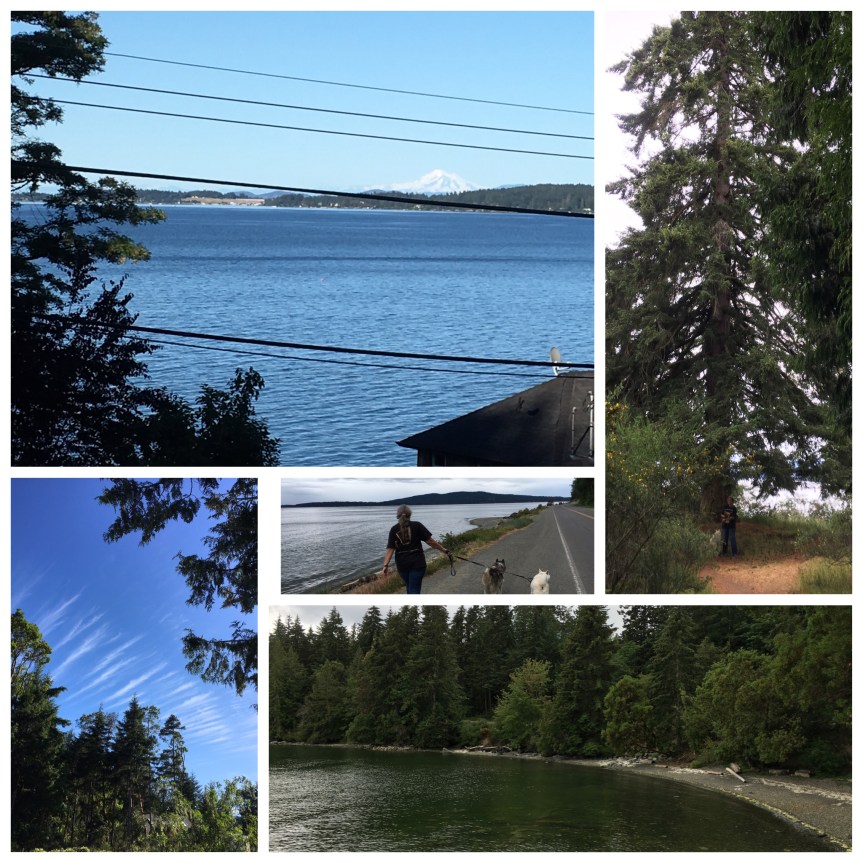
That said, I’m not sure its a place worthy of a special trip, but if you are in the area anyway, and I am, it’s nice…. I came to Vancouver Island British Columbia, specifically to check out where my friend Louise grew up. She and I shared an office for two and a half years while teaching at a University in South Korea, and she often told me about how great her hometown was and how much she missed it, especially the pristine clear air. She recently returned to Mill bay, which is only about 10 minutes from here. From the balcony of her home, she has an almost unobstructed view across ~140 miles (or 230 KM) to Mount Baker (if you ignore the electrical lines)…. which from my perspective beats the crap out of anything you can see in the horribly polluted air she and I used to breath daily in S. Korea — it was not uncommon for the air to be so smoggy that I couldn’t even see the mountain located an easy walking distance from my apartment. Add to that the fact that she regularly sees seals, bald eagles, and the occational whale while walking her dogs by old growth forests and a bay …Victoria Island is fairly idyllic on the “places to live” scale, assuming you can find a decent job; so, I wanted to check it out.

IMG_1294

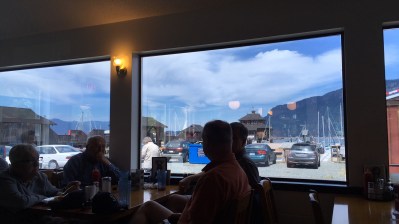
See the tiny woman standing in front of the almost six story tall old growth pine? That would be Louise; she was the one who suggested we come here for lunch, to a local fixture restaurant her parents used to like to come to, the Rock Cod Cafe.

IMG_1280She had a bowl of fish chowder in a sourdough bread bowl, while I was forced to take the healthier option (during my last visit back to Chicago I got diagnosed with fatty liver, on top of my pre-diabetic status), so I went for the grilled Pacific Cod with prawns, with a side of veggies on a bed of rice pilaf that I could only “taste” since white rice is now verboten. Nothing about it was what I would describe as a meal worth making a special trip for, but it was simple fresh ingredients, cooked well at reasonable prices (for the area — cost of living on Islands is always a bit higher than on mainlands due to added costs for transportation and energy).

After our meal, we went directly behind the restaurant to check out the view

When I had to choose an Airbnb I was actually looking at this area and where I am — because I couldn’t find anything decent right in Mill Bay, where my friend lives. I thought the place I opted for would be a more ‘Mountain lake’ type thing cause that’s how it is advertised…but it isn’t. Apparently it’s a popular place for folks who live in Victoria to have their summer homes, but you can’t really see any mountains from Shwanigan Lake, and from my airbnb you can’t even see the lake. Add to that the fact that there’s only one semi-decent eatery in the place (and I judge places by how they eat)…  Next time I come to visit Louise, I’m thinking I’ll try to get a place here.

Note added June 14th: There are in fact a few different restaurants, here, that I’m intending to try before I leave. One that I recently tried, I feel should be avoided at all costs; it is the Ocean View restaurant, which is on the top floor of a hotel with the same name. I went there initially to check it out as a place to take two of my friends who are coming in to town for a visit. Let’s just say what shows up on the plate doesn’t compare to what’s advertised on their web site… they actually served me burnt food, and the windows were all scratched up — like someone had taken a brillo to it. Pretty sure the view on their website was taken through an open window.

Clouds… no really, clouds. Shwanigan Lake, B.C.

One of the things that amazes me as I drive around the country, is how DIFFERENT cloud are from place to place. Seriously…

If you’ve never really looked up while traveling, you should. Different geographies result in very different sorts of clouds, and this sort is common here, I see them regularly, but I have not to my recollection every seen them anywhere else.

According to one friend, this is caused by the Jet Steam in northern elevations, but I’d love it if someone could comment with what these are actually called.

Saw it from the front yard of my Airbnb rental

Ferry: Vancouver, to Vancouver Island

You won’t see this if you fly; I have horrible motion sickness issues and I was just fine.

IMG_1296

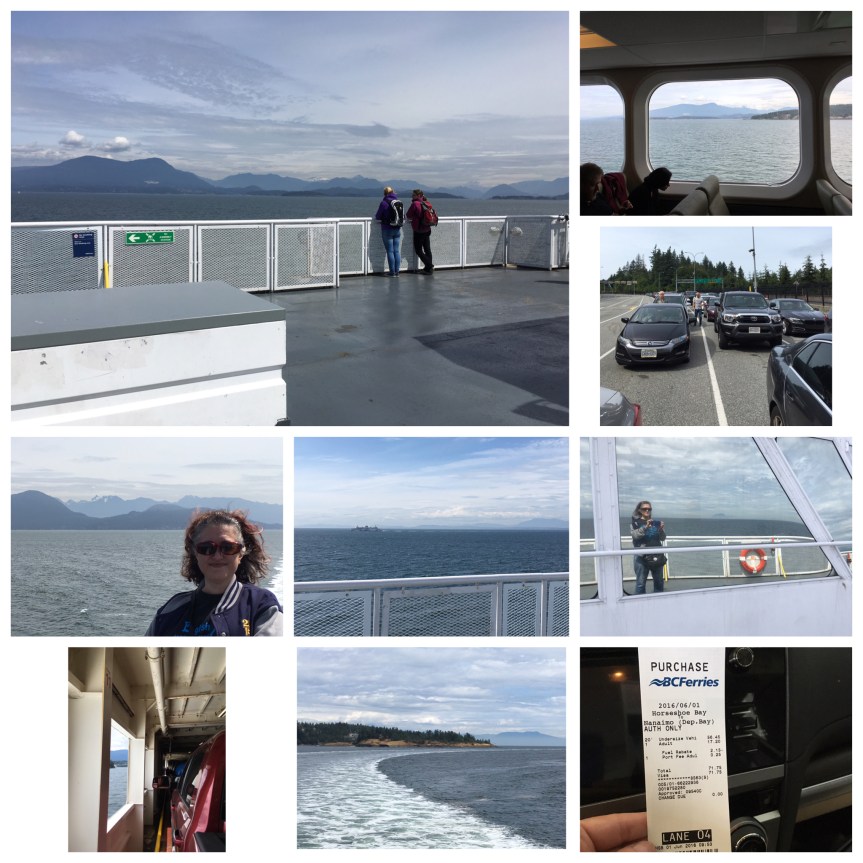
Towards the end of the TransCanadian Highway (route 1) there’s a ferry you can take across to Vancouver Island, and the rest of route 1. The ride took about an hour and a half, and was highly restful and pretty… although granted we had fine weather.

First you go through a tollbooth kind of thing where they give you a ticket and you pay $71.75CD for your transit ($17.20 CD for you $56.45CD for your car — not sure what the exchange rate is, but the other day I bought some stamps at the post office costing $1.75CD, gave them $10US and got back $10CD and change), and then you go stand in a very long line of cars. I think there are like three different ferries that take off from this location. According to the people in the car next to me they won’t start actually loading the ferry for another 20 minutes and then it‘s not going to leave for another 20 minutes after that. Apparently there’s a schedule for these things and I was supposed to have checked but I just randomly showed up. But it seems like it’s a good thing because there’s already a boatload of cars behind me and I think I mean this literally… . I kind of thought that I would just drive onto the ferry and it would take off I wasn’t expecting the wait. Everybody else in the line seems to be far more prepared for it then I am, with coffee, reading materials… and things

After a while you hear loud and clear (remarkably clearly — amazing sound system) announcements about various ferries, and warnings if it’s time to get back to your car. Then the line starts to move and your directed by a host of staff quickly and efficiently into loading, with instructions you can’t miss all along the way (these folks really know their jobs). You can then stay in your car, if you choose, go to the full service cafeteria, hang out in the seating area, or up on deck.

The cafeteria was kind of huge; you could buy a full freshly made and tasty breakfast (which I thought was a tad overpriced), or burgers, sandwiches, sweet potato fries (which seem popular in Canada), raspberry rhubarb pie, or of course, poutine — which seems to be the Canadian national dish.

Stanley Park

According to trip advisor’s web site, probably the major attraction in the city of Vancouver, to be distinguished from the Island of the same name — so confusing… is this park. It’s sort of like Central park, only it’s not really ‘man made’ the way that one is, and is pretty densely forested.

Firstly, there is no free parking… even curb parking is monitored, so I parked my car at the first major lot I came to (figuring out how to pay for the parking took about 15 minutes, and then I had to spend another five minutes trying to explain it to the elderly American behind me — you need to punch in your license plate number, which is harder than it sounds, and then guess at how much time you’ll need), and then paid for the horse and carriage guided tour — the last one of the day.

There are also other things to do at the park, but I had limited time

Colors in the sky: TranCanadian Highway

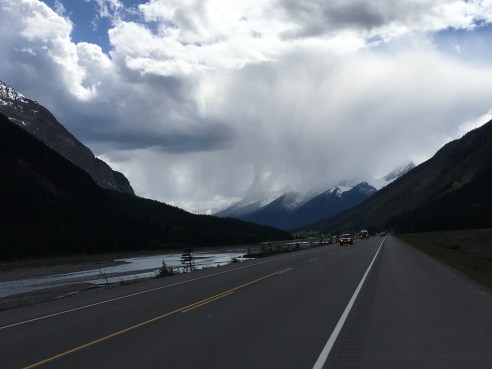
Something funky is going on with the sky right now, there’s reds and blues and whites like sunset colors only it’s not.

IMG_1098

I’m not sure what’s causing this — I posted the image to Facebook, and a friend suggested that it’s a fairly common phenomena in the mountains.

There are little white stripes even, it’s most visible when looking through my tinted sunglasses, which are also looking through the tinted front shield of the car — but you can still sort of see it in the photo. It’s at moments like this that I wish I had tinted lenses for my iPhone — TransCanadian Highway (Route 1), near Herrling Island.

IMG_1102


TransCanadian: from Banff to Kamloops

I spent most of today traveling the Trans-Canada Highway from Banff National park to Kamloops, where I had booked a highly affordable night’s stay via Airbnb (and which took me a good 6 hours to drive) I passed though two national parks… Yoho National Park and Canadian end of Glacier National Park. Suffice it to say it’s a gorgeous drive.

One of the things I loved seeing along the way were the high fences along the high ways along with regular animal overpasses (bridge on the right) — we really need to start building these in the states.

IMG_1069

There are also rest and picnic stops all along the route at scenic spots (with toilets!)

IMG_1089

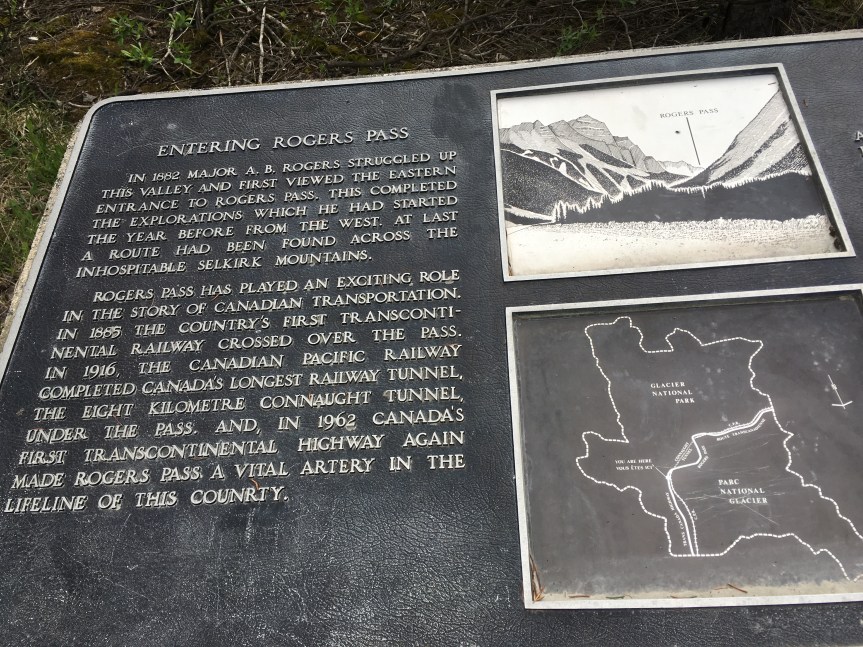
And then I passed through Roger’s Pass… which is in the heart of Canada’s half of the Glacier National Park

IMG_1090IMG_1092

Banff Canadian National Park: Gondola

Even if you only have time for a quick drive through on your way to somewhere else via Canada’s Highway 1 (like I did), it is TOTALLY worth it to pitstop at Banff National Park’s Gondola for a ride up the mountain ($42 for adults, $21 for kids);

Every time I told anyone what my plans were for this summer, the one thing I heard almost everyone say was, “well of course you HAVE to stop in Banff” and now I know why. Banff is a cute, very touristy little town located in the middle of a national park, of the same name and just to the side of Canada’s Highway 1. It is, in a word, gorgeous. I was there in the last week of May, in a winter so warm and dry that Canada was having wild fires, and the mountains were still snow peaked.

From the town to where the Gondola is, is about a stunning 10 minute, very well marked drive (even without my GPS I would have found it. Once there, If you want to get to the top of the mountain you can of course, always hike up it, like these folks are doing….

IMG_0953

Or you can pay what initially seems like a hefty $42/adult to take the Gondola, a choice I did not regret once I was in it — they allowed me to ride alone.

IMG_1006


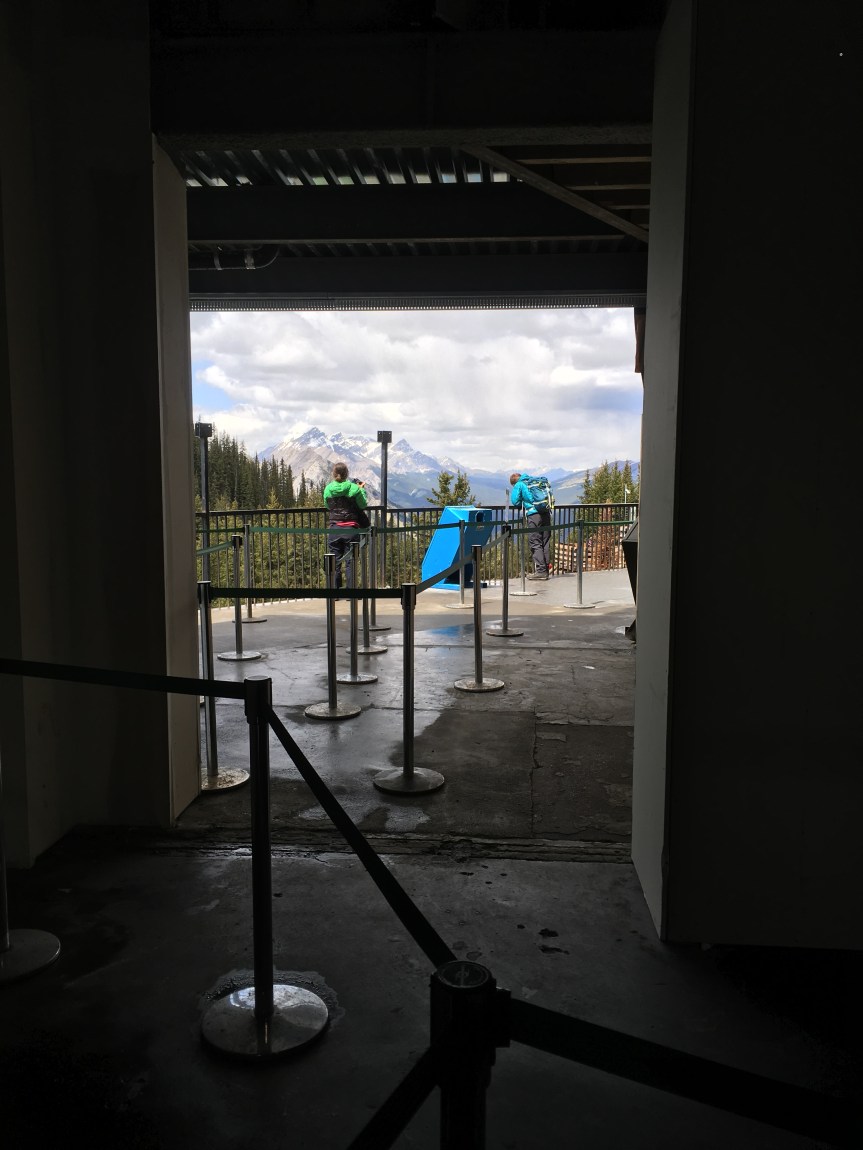
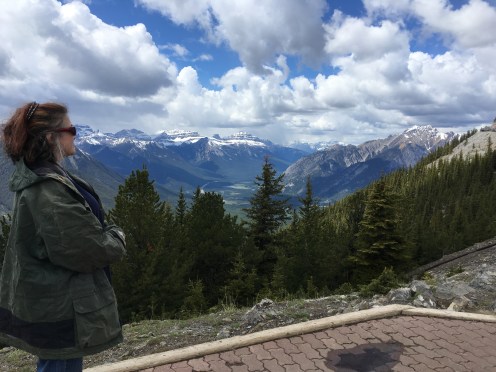
When you get to the top (which is not really handicapped accessible) there is a wooden walkway with strong railings that extends all the way to next peak (with a lot of up and down staircases along the way), which I did not take; in part because I’m a wuss, but also because I knew I had a good six hours of driving ahead of me and it would not be safe to exhaust myself (no really, it isn’t just an excuse). If you do choose to do it, you need not worry about doing it alone, I would argue that MOST of the folks opted to do the full hike.

IMG_0959

I however choose to just hang out near the arrival building. When I was there it was under construction, but usually it contains a restaurant, bathrooms, a gift shop, etc. While we didn’t see much wildlife up there, there was some:

There was this one very ballsy chipmunk, he came right up to one woman who was sitting on a bench and sat next to her, then she saw him and freaked — then he kept approaching folks hoping for food — And then there were mountain goats who seemed to prefer to hang out under the walkway, which I assume provided them some protection from predators who didn’t like the sound and smells of all the humans.

IMG_0989

IMG_1001 IMG_0993

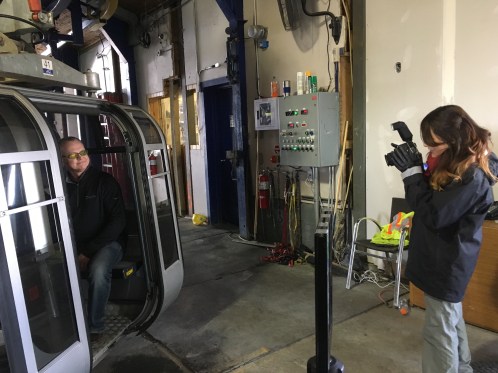
Then, when you’re ready to go down they take a picture of you as you renter the gondola, which they then try to sell you a print of (they aren’t able sell the digital image) photoshopped really badly into a cheesy looking background.

IMG_1009

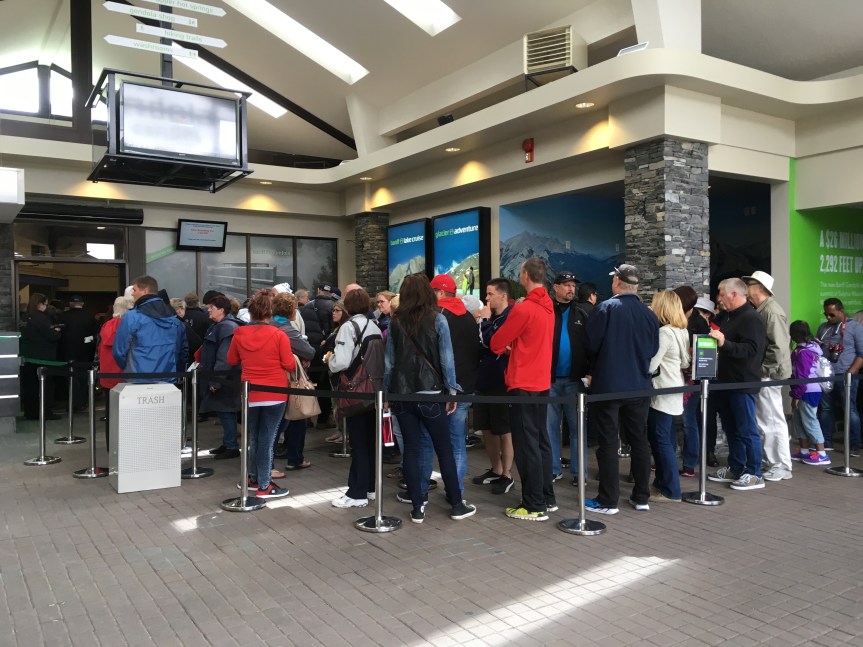
I will say this, apparently I came at the right time, because there was no line at all, either when I bought my ticket, or decided to finally take the ride up (after a bathroom break and checking out the gift store, etc.); however, when I got to the bottom, this is what I saw:

IMG_1023

and it kept going all the way down the hallway.

That said, I think it’s important to try to time around bus tours. When I first got there I saw three large tour busses loading up and heading away, and then I think all of these guys were dropped off while I was coming down. Don’t wait in a line like this, have a cup of coffee, troll the gift shop, and wait for it to shrink.

Canmore, Alberta Canada

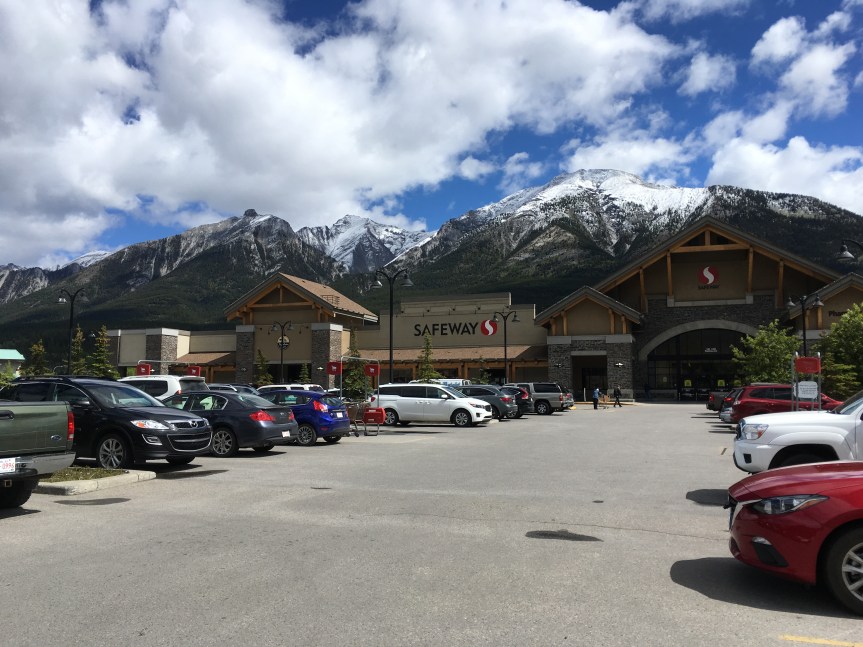
I am in Canmore, which is less than an hour west of Calgary headed on the TransCanada Highway into Canada’s Banff National Park

IMG_0918

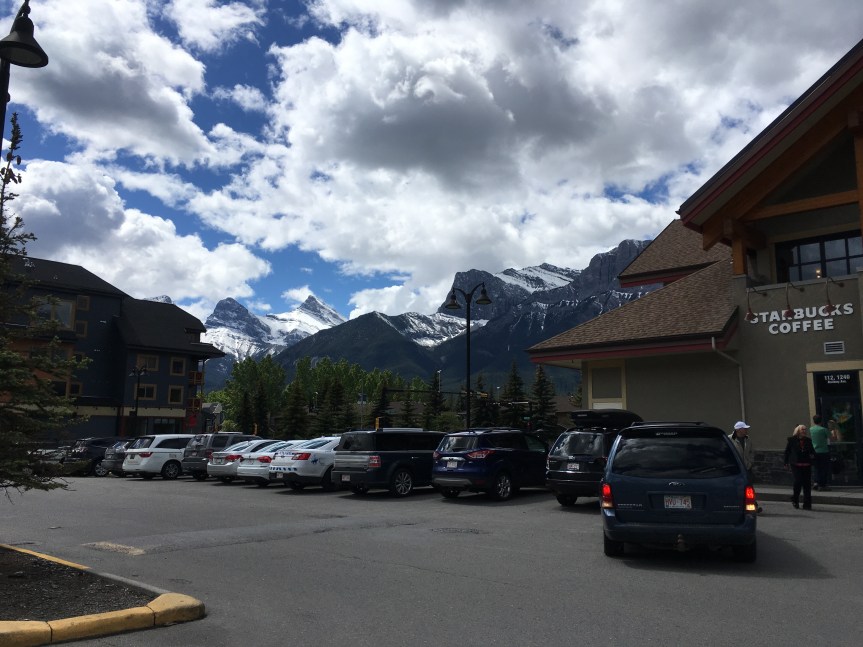
These two stores, a massive Safeway and a Starbucks, are across the lot from each other… there are also a lot of restaurants, etc… wonder if there are any Airbnb’s in this town…

IMG_0920

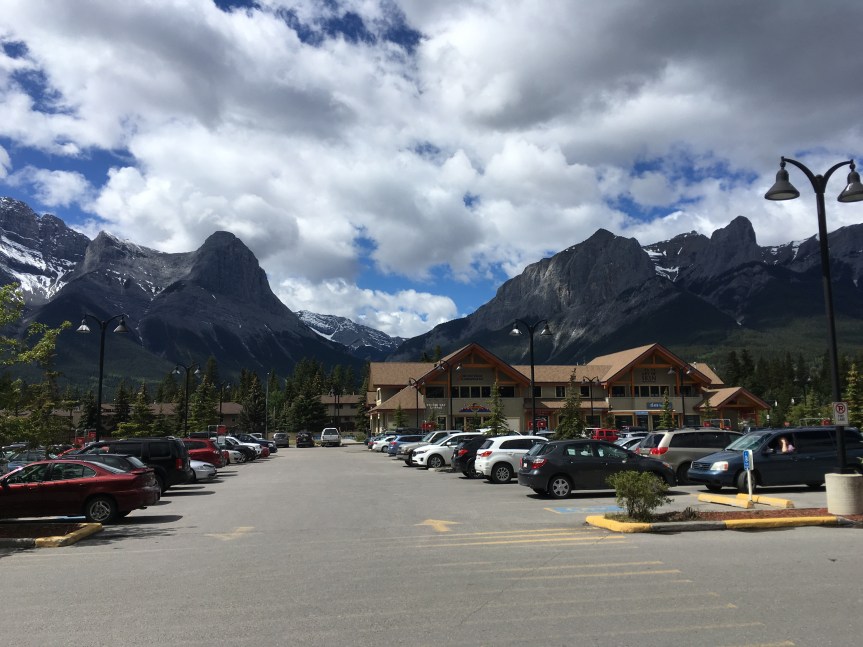
Apparently it’s been used for shooting movies on a semi regular basis, and hosts an award winning food festival in April. Can’t imagine living here can you? — drinking coffee at Starbucks

IMG_0921


Head Smashed In Buffalo Jump: World Heritage Site, Fort MacLeod Alberta Canada

Head-smashed-in is actually the name; it is a prehistoric Indian hunting ground that has been named a Unesco world heritage site.

IMG_0861

On the road to it I passed what at first I thought was just a bunch of cattle, but then when I got closer I realized they’re not cattle, but rather were buffalo –

IMG_0858

– later I wondered if they were the same herd that provided the meat I was eating at the site’s cafeteria — bannock is apparently the name here for the chunk of Indian fry-bread like stuff that came with the Buffalo Stew

There seem to be two major variety of tourists to this place, firstly, the hikers, who tend to take the interpretive trail to the bottom of the drop, which is about a mile round trip

IMG_0866

And secondly, folks like me who are not so much for the hiking or the running into mountain lions. For us there’s a van that does continuous round trips from the parking lot at the bottom of the hill to the visitor center at the top (really NOT that hard of a walk, but I’m no fan of hills). Then you walk into the visitor center and take two elevators up to the top, where you walk up a gentle slope to the top of a fenced in area on top of the hill for looking down.

IMG_0867

This area is paved, fenced in, maybe a 3 minute walk, wheel chair accessible, and ends in a small plaza with benches and telescopes, and a fabulous view of the plaines below — way more my speed.

IMG_0876

At the end is the buffalo jump, a ragged cliff that the animals were stampeded over as a hunting technique. According to the information provided, there’s scientific evidence that the cliff was used for that purpose as early as 5,500 year ago. Hunters who were young and good runners would dress up as wolves, pursuing the buffalo, while other members of the tribe would have prepped the ground with rocks and branches, so that the buffalo, who apparently have lousy peripheral vision, would think they were walled in, and run where the hunters wanted them to go  — over the edge.

According to the signs, back then, the sandstone cliff was even higher up, and has actually been worn away both by the weather, and the repeated stampedes (sandstone being very soft).

Also, the name derives not from the buffalo, but from a native American story about how one time a native boy, not willing to listen to his elders, had hid at the base of the cliff hoping to see the animals fall, and they had fallen right on his head. When his parents found his, his head had been smashed in.

While I did not see any large wild animals while I was there, I did notice this little guy — a sort of yellow ground hog — who was hanging out on the far edge of the rock (which he sort of blends with — camouflage) just hanging out and enjoying the view along with the humans, but as far from us as he could get (there’s a fence that kept me from getting any closer).

IMG_0883

Back inside the building is a visitors center (designed so that you see this AFTER viewing the outdoor cliff view), that explains the history of the location with a multimedia display, museum exhibits of items excavated from the area, a fifteen minute movie where local indians (actors) re-enact the hunting techniques of their ancestors, the aforementioned cafeteria and of course a gift shop.

IMG_0900

One of the things I found interesting, if a tad disturbing, was the how they specifically tried to hunt in early spring, even though that is when they thinnest — less meaty — in order to be able to kill the buffalo when there were likely to be new born calfs (veal if you will) and the pregnant mothers with unborn babies whose skin (calfskin) was used for things like babies blankets, etc.

IMG_0893

According to the museum exhibit, there used to be a lot more of these sites scattered around the plaines, with massive piles of buffalo bones, but between WWI and WWII they were decimated by industrial firms who wanted them for their phosphorus content which was used in explosives and fertilizer. One of the only reasons this particular site survived that process was because it was so far from any rail lines and/or farms, that it was not cost efficient to plunder.


 

IMG_0910