
Currently situated in the middle of the intersection at South 88th Street and Mills Civic Parkway in West Des Moines, Iowa (not far from I-80), lies the Huston Family Cemetery. It was named for James B. Huston, the patriarch of one of the first families to settle in Dallas County (in the 1840’s) and the LAST person buried at the plot (in 1889). The cemetery is unusual in that it now sits in the center of a roundabout in what was once a rural area, but that is no only about a mile away from a Costco, and as there’s already been one instance of a drunk driver driving through the site, it might end up being moved — although there is some talk of moving the roads instead.

The area which I’m fairly sure was completely rural a few years ago (like the other grave in a middle of the road I visited in Indiana) is to the graveyards detriment being developed REALLY quickly, according to the locals I spoke to … so much so that — like I already said– there’s a Costco about a mile directly down the road (with a gas station, which I filled up at).

The Huston Cemetery consists of 19 graves that date back to the late 1880’s, and are located near to The family’s original home — which is still standing nearby. The home is HIGHLY historical, as it was once a stage-coach station, a tavern, the local post office AND a stop on the Underground Railroad. The family patriarch, James B. Huston, was the first attorney in Dallas County (where the graves are situated)

According the city’s website, the first two former slave girls, both named Harper, who apparently had “died on their way to freedom” were the first individuals buried there — although this is conflicted by a report from another site, which claims the two girls were part of family that was on its way to Kansas to become part of John Brown’s raiders. They were followed by James Huston’s wife, Nancy Hill Huston, and six of their children, all of whom died young — so there’s a sad story to be told from these stones.
 I used to drive through this truck stop on a semi regular basis back when I lived in San Francisco… and always used to be highly amused at the diverse selection of goods


 On this same level of the store you’ll find their 24-hour all you can eat buffet restaurant, “Home cooking” (with ala cart options), a HUGE food court with a wide selection of fast food options (plus more shopping choices and a game room) — but none of this is the surprising parts… for that you have to check into the levels of the place (and its multiple floors) that cater to the truckers.

 To stuff that ONLY a trucker might be attracted to, in order to “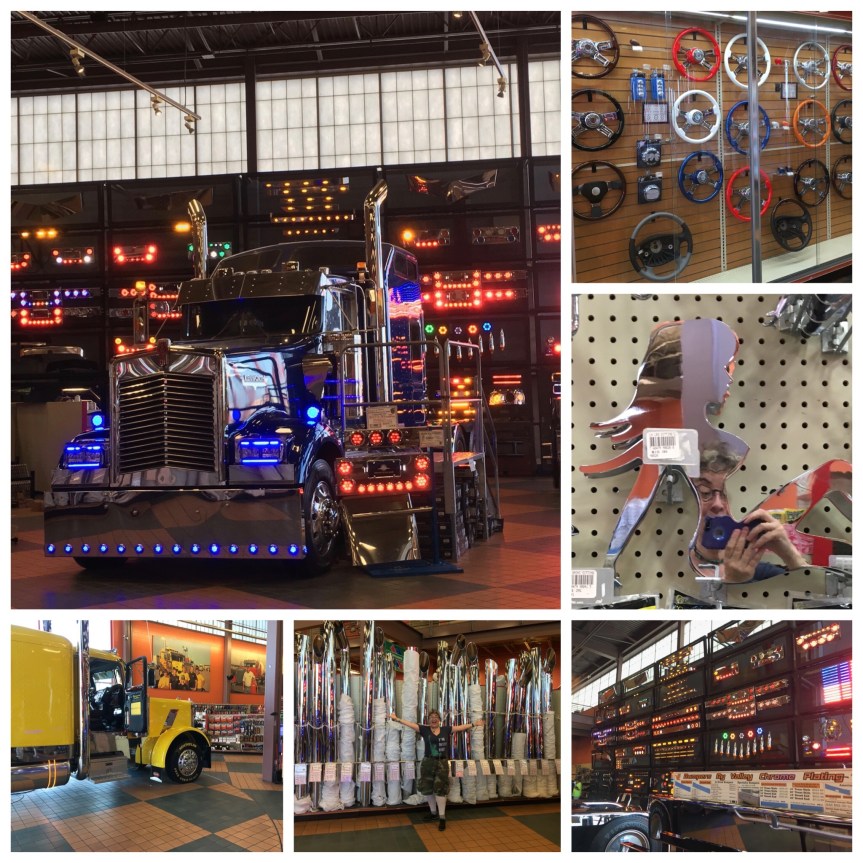









 IF you’re in or driving through Columbus it’s worth a stop see, in part because it’s located in a man-made pond/water feature located adjacent to the Ohio Supreme Court building.
 I searched online for verification that the “Gavel” was in fact the world’s biggest, but other than it being called such by various websites (of the tourism variety) I didn’t find anything from let’s say the




 … his father took the group’s history seriously, to the point of designing and building (by HAND) not only a lot of the furniture in the house, including a “partner’s legal desk” AND chairs for his legal practice which he worked from his home office (it’s a two-sided desk — she noted how at the time there were no law schools, you studied law by working with an older lawyer… so the ‘apprentice’ or Jr. Lawyer, would be on the far side supporting the older lawyer who would see customers)
 This chest was also one he built by hand; it has no nails, but rather is put together like a puzzle and then glued. It’s very beautifully carved, and the docent said that various woodworkers who’ve come through the house have commented on how, even with today’s tools, making a chest like this is VERY hard. That it exemplifies just how skilled of a woodworker he was.
 He also built these rocking chairs and did the

 The docent spent a lot of time telling us about how he constructed it, how he soaked and twisted the wood of the railing by hand, and put the shape of musical note at the bottom to symbolize a harmonious household. She also told us how “Orphan Annie” otherwise known as Mary Alice “Allie” Smith, had thought the staircase was the most amazing thing she’d ever seen, and had fancifully named each step.


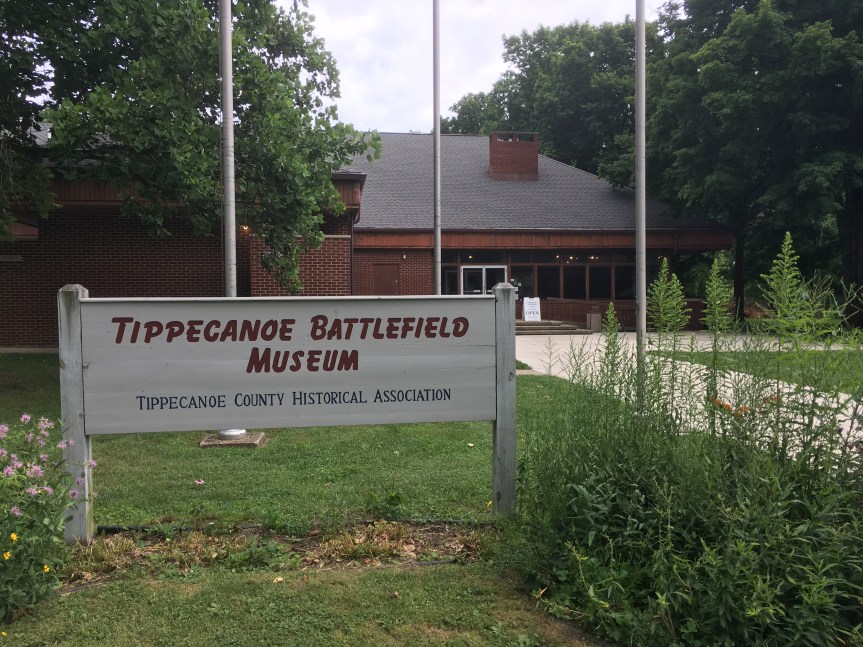


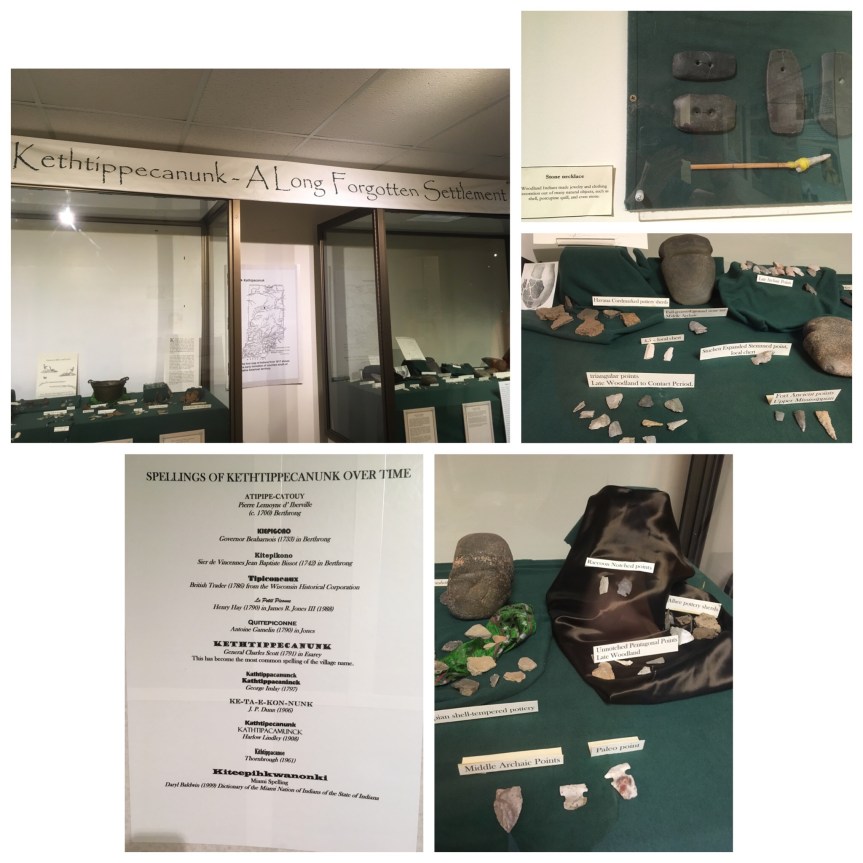
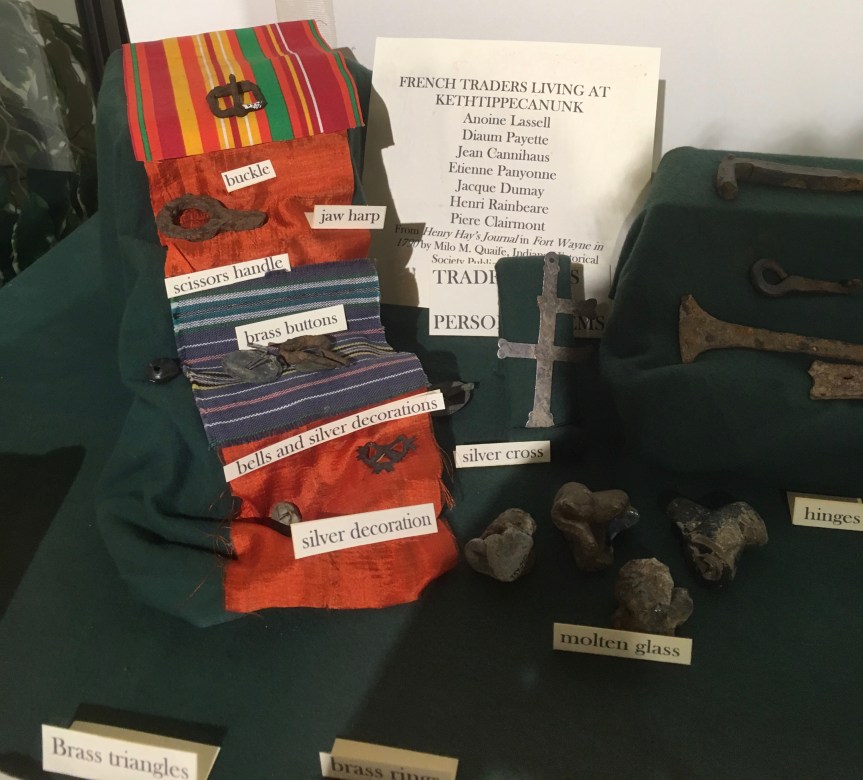
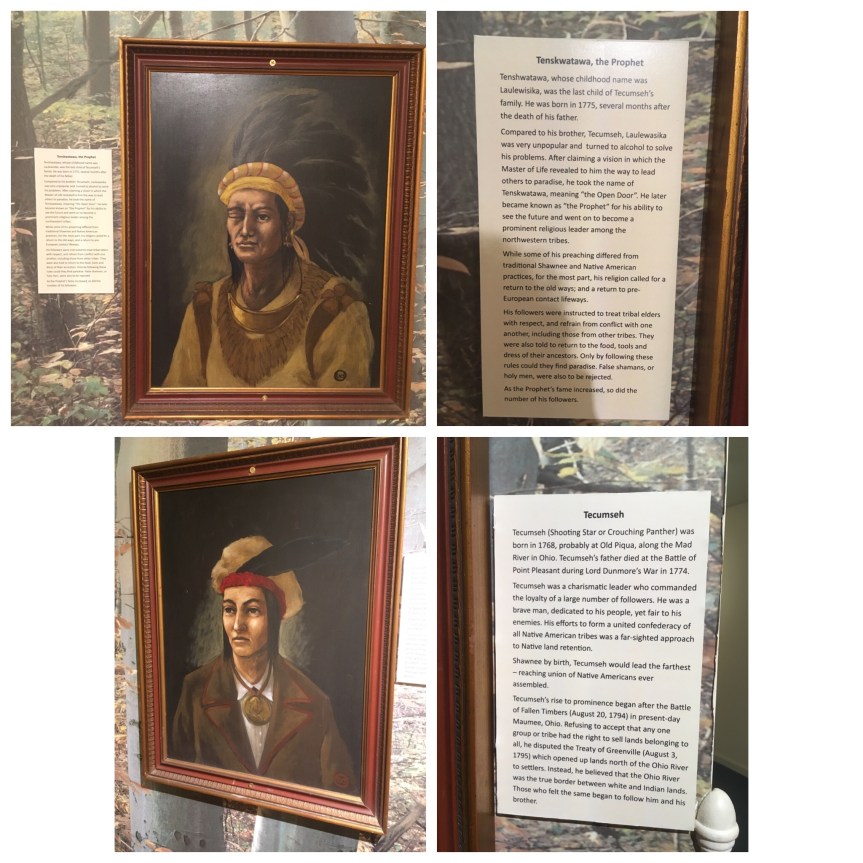
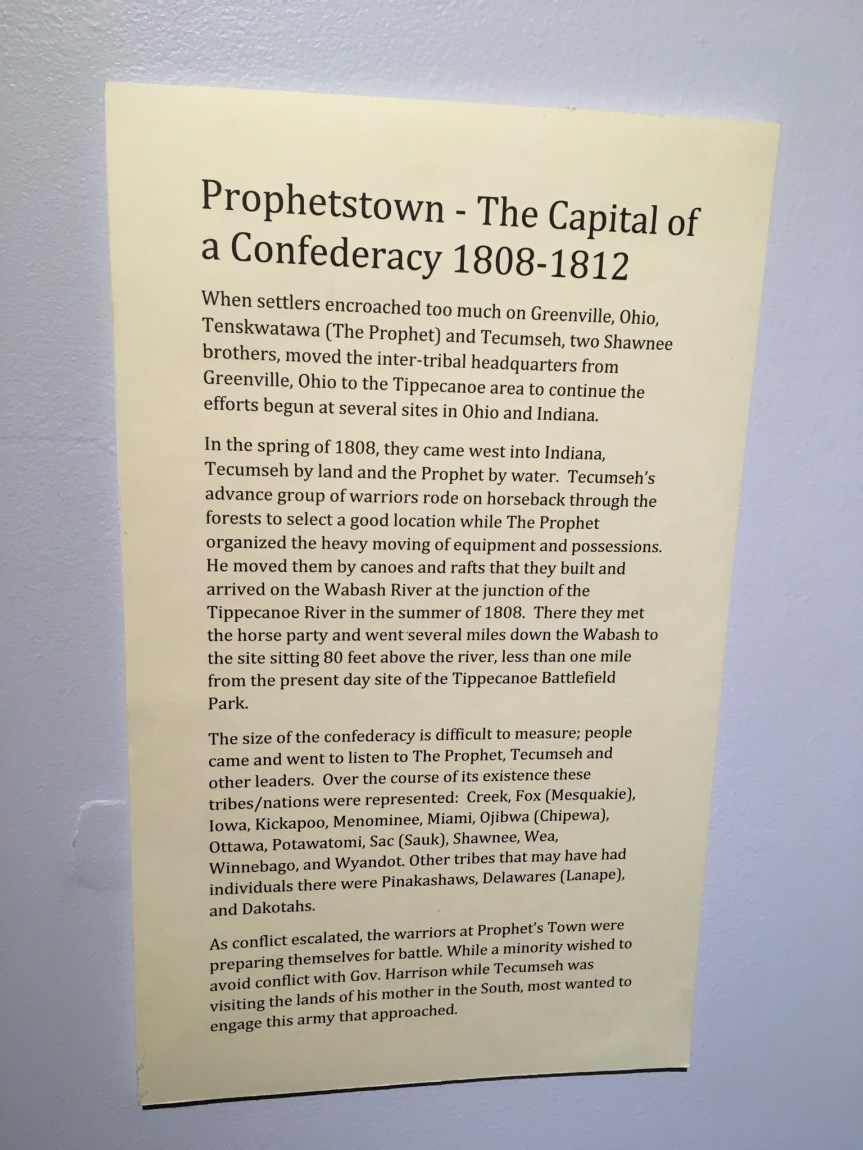
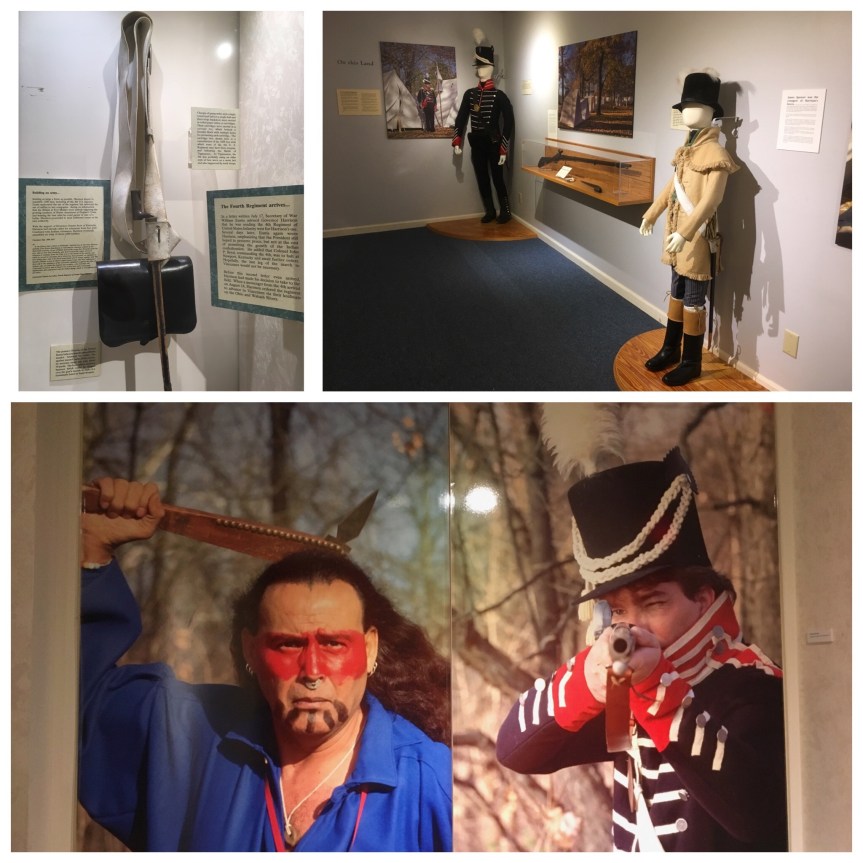
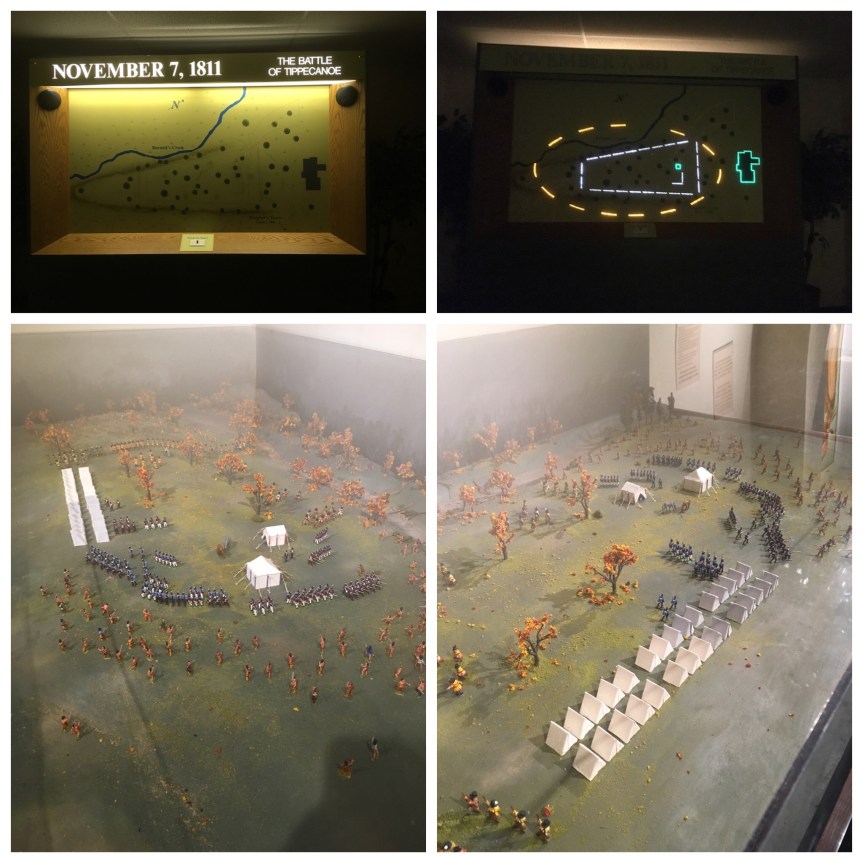
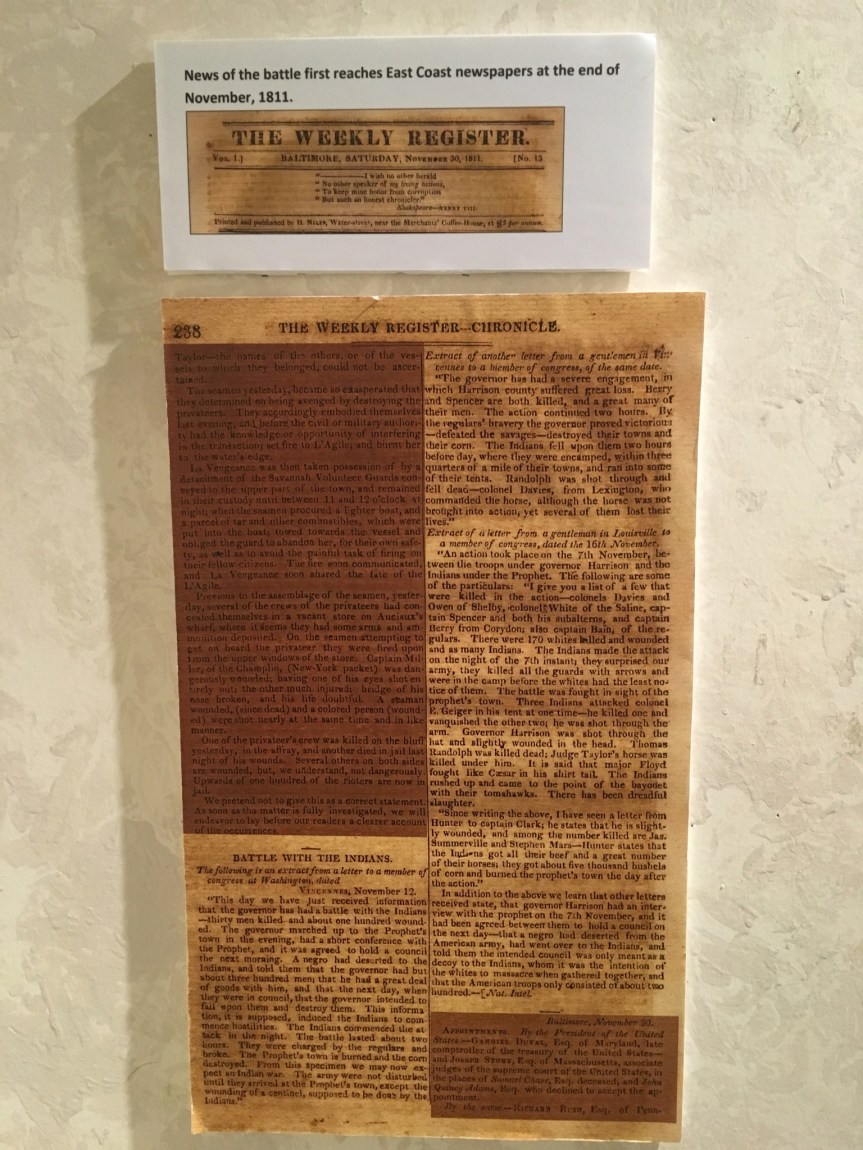
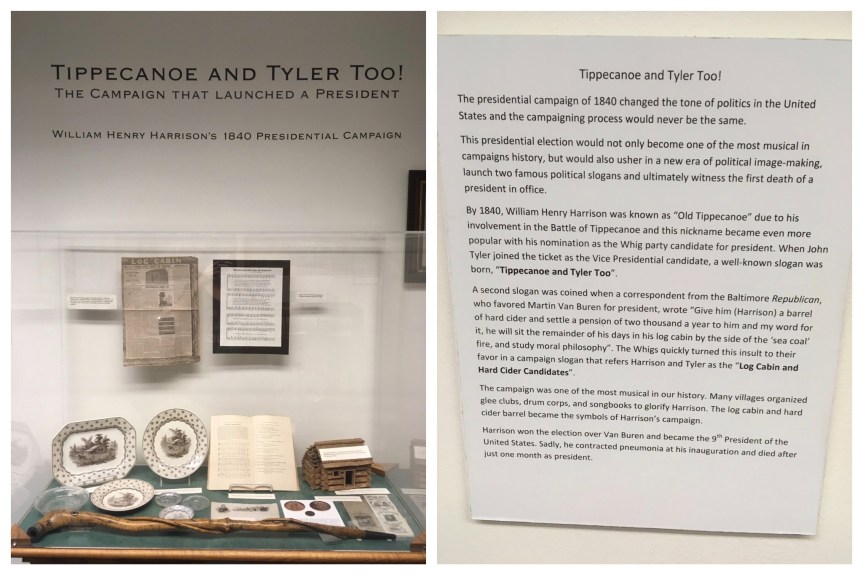
 Once I paid to go inside it become incredibly obvious to me that most of the focus of the museum is firmly on the white people, with the Native Americans only really given lip service as an after thought… to be honest, I didn’t really read the poster (below) that blocks your entrance into the place like a warning sign until AFTER I had left the place… and was paying closer attention to the photos I had taken.
 This attempt at an apology, which as I said was located JUST at the entrance, in the middle of the path, STRONGLY suggests to me that I’m not (by a long shot) the first person to notice this… “Originally preserved as a tribute to the soldiers who fell here. We recognize today the bravery of both the Native American and United States military forces who died here defending their way of life.” So, what they have there was about the Native Americans is almost a “lip service” nod to them, and is presented in the most boring, cost-effective ways possible, so the likelihood of customers ‘taking it in’ was unlikely.









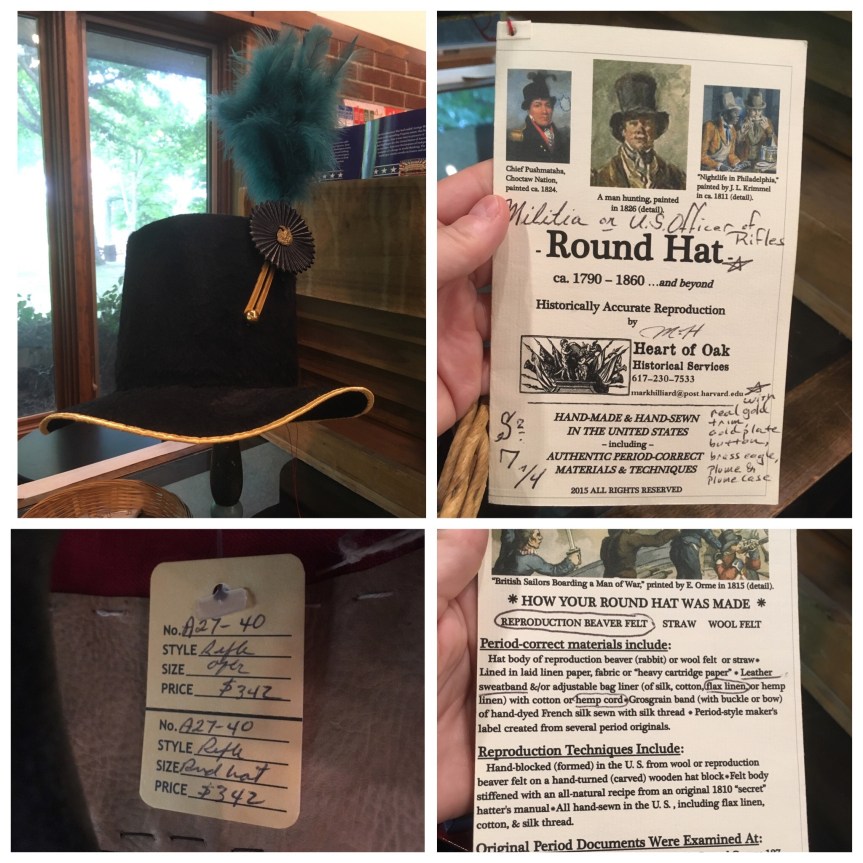 Hand made, historically correct round hats selling for $342 are not the sort of items you normally see for sale in local museum gift stores! While there were some items, cheap knickknacks that are more normal for these sorts of gift stores, the MAJORITY of items this place was selling seemed to be AS focused on historic reenactment. They weren’t selling little rubber Tomahawks for kids, they were selling REAL ones, and historically correct hand-made leather bags, pipes, and either the clothing, or the pattens so you could make them yourself… as in exactly the sorts of goods for sale (but for a different time period) as what I found at the store of the


 Rebecca Radnor's Personal Blog: Consider yourselves warned!